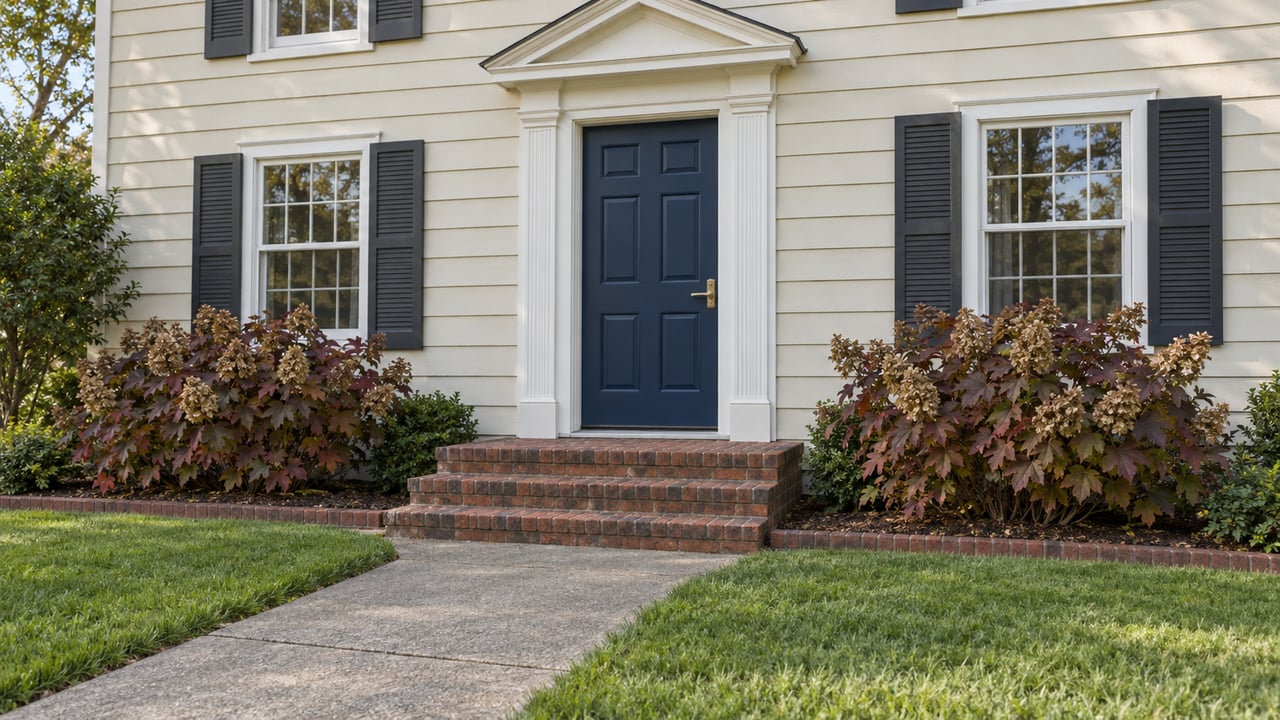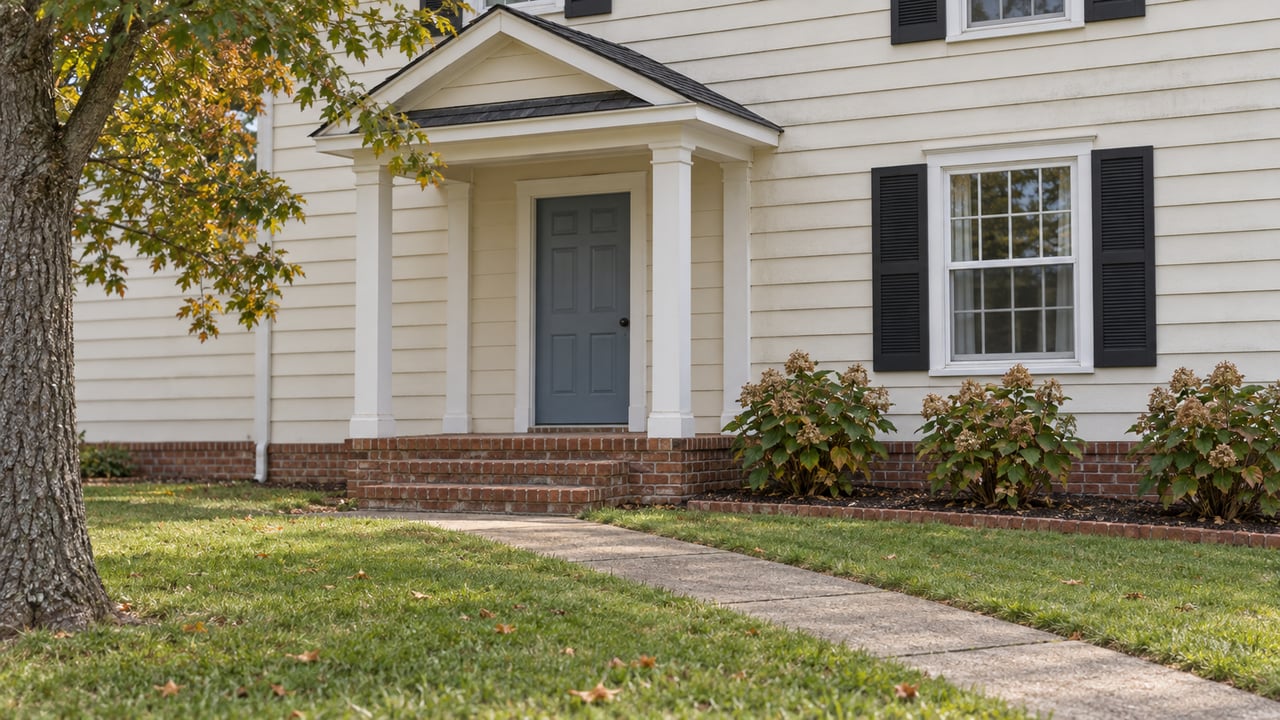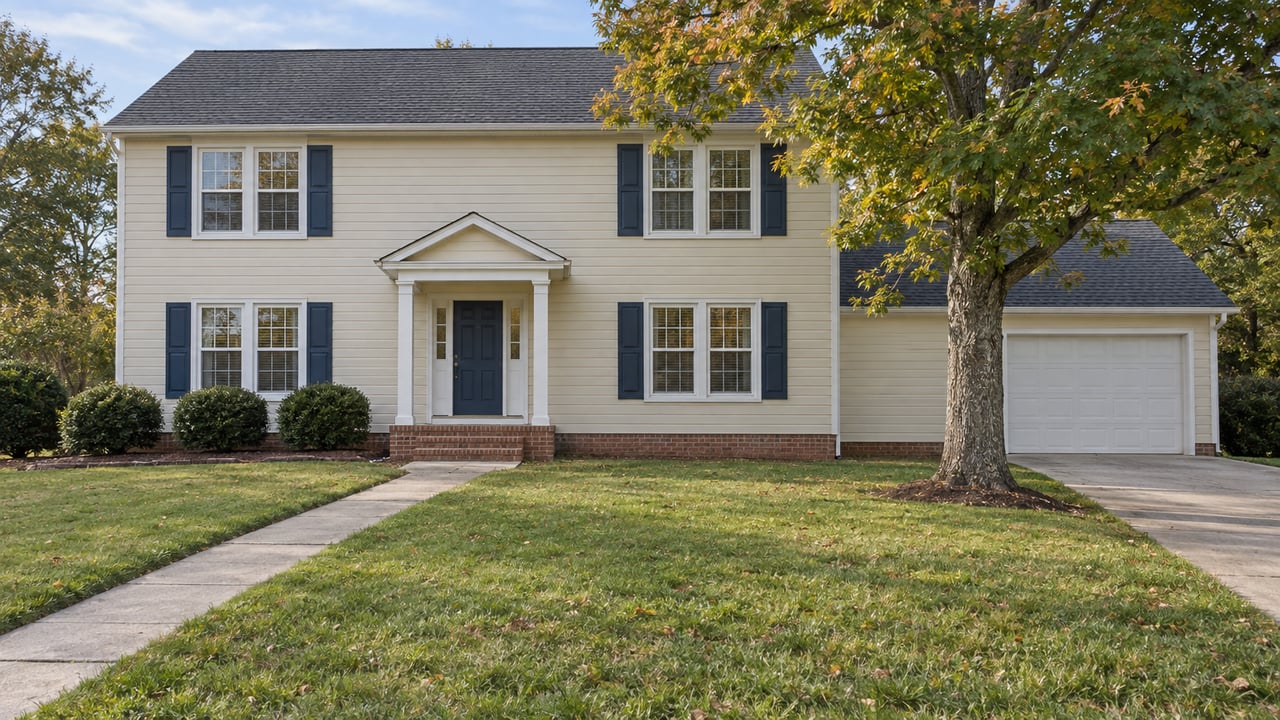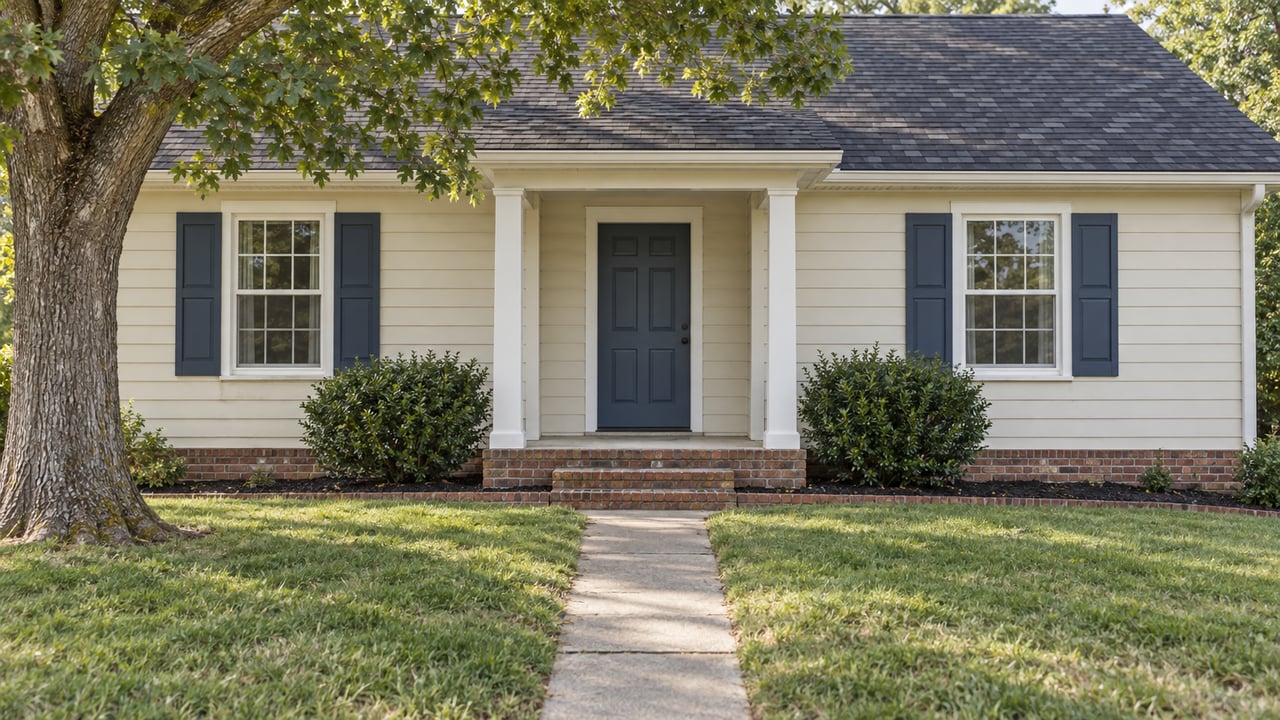
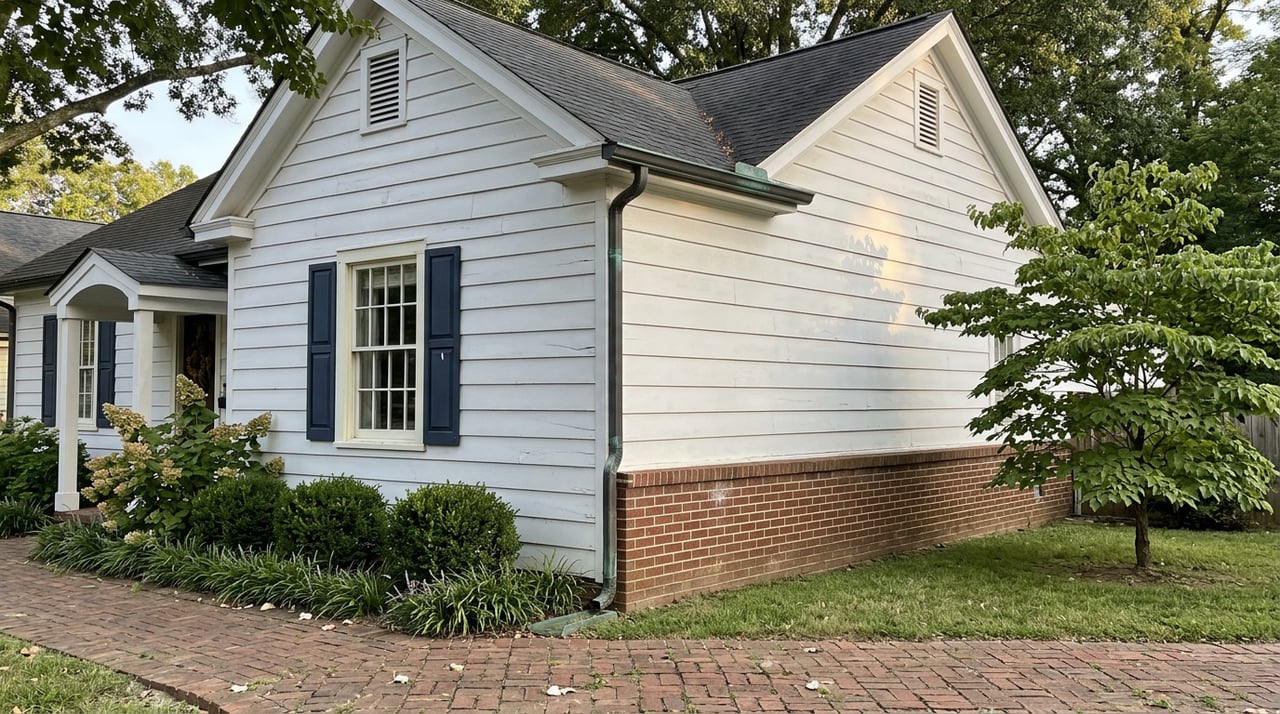
Say you just closed on a two-bedroom cottage a few blocks off Scotland Street. Nothing about it says "historic district." No plaque, no brick sidewalk out front, no view of Duke of Gloucester Street. It's a plain early-1900s house with vinyl siding someone added decades ago, and you're already picturing a new fence and a fresh coat of paint on the shutters.
Then you call a contractor, and the first thing they ask is whether your address falls inside the city's Architectural Preservation District. It does. And now that new fence needs a Certificate of Appropriateness from a city board before anyone can install it.
This catches people off guard more often than it should, because most buyers assume Williamsburg's design review rules stop at the edge of the Colonial Williamsburg Foundation's living museum. They don't. The city's own preservation zoning reaches into a set of ordinary residential neighborhoods that have nothing to do with 18th-century reenactors, and if your future home sits inside one of them, the exterior isn't entirely yours to change on your own timeline.
The review board predates the historic markers you're picturing
Williamsburg's Architectural Review Board has been reviewing exterior changes since 1958. It's a seven-member board appointed by City Council, made up of people the city says show interest, competence, or knowledge in historic preservation, and it meets at the Stryker Center with staff support from the city's Planning and Codes Compliance office.
Prince William County's Architectural Review Board page explains that the board's authority comes from state law, not just local preference, and that Virginia requires any locality with a historic district to designate a review board that issues certificates of appropriateness for alterations and demolitions inside that district. The city's Community Character document says Williamsburg built on that requirement in 1991, when a revision to the zoning ordinance created two separate overlay zones: the Architectural Preservation District and the Corridor Protection District. Those same rules, updated as recently as this spring under Ordinance No. 26-03, still govern the process today under city code sections 21-851 through 21-863.
Nineteen more neighborhoods than you were picturing
Here's the part that surprises most buyers. The Architectural Preservation District isn't just the colonial core. According to the Advisory Council on Historic Preservation, it covers the colonial core plus 19 other areas containing structures dating from the colonial period through the 1940s. On top of that, ten separate Corridor Protection Districts apply design review along the city's major entrance roads, regardless of how old the building on the lot happens to be.
One of those 19 areas has a name most buyers have never heard: Peacock Hill. It developed north of Merchants Square starting in the 1880s, after the railroad arrived. The land was originally part of Wheatland Farm, subdivided in 1894 by R.S. Henley and later further divided by Francis O'Keefe, the father of painter Georgia O'Keefe. The section south of Scotland Street filled in with Victorian and Queen Anne houses in the early 1900s, while a more modest pocket known as Buttermilk Hill grew up around the corner. None of that is colonial. All of it sits inside the Architectural Preservation District today.
That's the mechanism worth understanding before you write an offer: age and appearance are not reliable guides to whether a house is under design review in this city. A modest Victorian near Buttermilk Hill and a 1940s bungalow closer to the college can both fall under the same board's authority as a home two blocks from the Governor's Palace.
What actually triggers a review, and what doesn't
The rule the city applies is more specific than "you can't change anything." Per the Architectural Review Board's own description of its authority, the trigger is exterior work, not interior work.
Generally needs board approval:
- New siding, replacement windows, or roofing changes
- Additions, porches, fences, and new outbuildings
- Signs, in both the AP and CP districts
- Demolition or relocation of any historic landmark, building, or structure inside the AP district
Generally does not need board approval:
- Interior renovations and finishes
- Work that doesn't touch the exterior appearance of the structure
That interior exemption matters more than it sounds like it should. It means a full kitchen gut, a finished basement, or new interior plumbing can move ahead on a normal contractor timeline. It's the outside of the house, the part a neighbor or a passerby would actually see, that has to clear the board first.
Where this actually shows up during a transaction
None of this stops you from buying the house. It changes how you plan after closing, and it can quietly affect the deal itself in three ways.
The first is timeline. If your renovation plans depend on exterior changes, from a new fence to a rebuilt porch, you're adding a review step to your schedule that a buyer of a comparable home outside the district doesn't have to plan for. Ask before you close what a typical review takes, because the board doesn't meet every week and applications go through Planning and Codes Compliance before they reach the agenda.
The second is contractor selection. Not every contractor in Hampton Roads has experience preparing an application that satisfies a preservation board's design criteria. Ask your contractor directly whether they've submitted a Certificate of Appropriateness application in Williamsburg before, and budget time for at least one round of revisions if they haven't.
The third is financing. Older homes with protected exteriors can take lenders longer to appraise, since the appraiser has to account for both the property's condition and the restrictions on what a future owner can change. If you're financing a purchase in one of these districts, ask your loan officer early whether the appraiser assigned to your file has handled a historic-overlay property before. A delay here can put pressure on your closing date if you're not expecting it.
No building, structure, sign, or exterior architectural feature within the Architectural Preservation District or the Corridor Protection District can be erected, reconstructed, altered, or restored without the board's approval.
That's the operating rule in plain terms, straight from the city's own description of the ordinance. It applies whether the house was built in 1750 or 1948.
What to do before you write the offer
- Ask your agent whether the specific address falls inside the AP or CP district. This isn't always obvious from the listing photos or even from the home's style.
- If it does, ask what exterior work you're planning to do in the first year and whether it would trigger a Certificate of Appropriateness.
- Talk to Planning and Codes Compliance directly about your specific address and project before you remove a financing or inspection contingency tied to renovation plans.
- If you're financing the purchase, flag the district status to your lender early so the appraisal isn't a surprise.
A few questions worth asking before you close
Does this apply to homes that were built well after the colonial period? Yes. The district's own description covers structures from the colonial era through the 1940s, and Peacock Hill's Victorian and early-1900s houses are a clear example of a non-colonial neighborhood inside the boundary.
If I'm just repainting the same color, do I still need approval? Painting and other minor changes often move through the process faster than a full addition, but the ordinance doesn't carve out an automatic exemption for cosmetic work on the exterior. Confirm the specifics with Planning and Codes Compliance for your address before you buy the paint.
Does the Corridor Protection District mean something different from the Architectural Preservation District? Yes. The AP district focuses on historic landmarks and existing neighborhoods, while the ten Corridor Protection Districts apply design standards to development along the city's major entrance roads, whether or not a historic structure sits on the lot.
If you're comparing a house in Williamsburg's design-review footprint against something similar in James City County, the renovation math looks different even when the purchase price doesn't. I'd rather walk you through what a specific address actually requires before you're three weeks into a contract and finding out from a contractor instead of from me. Reach out to Angie Archibald and let's look at the address together before you write the offer, not after.
This article is general information, not legal, tax or financial advice. Consult a qualified professional about your situation.