Ever wonder what daily life really feels like inside the City of Williamsburg, not just the broader region? If you’re weighing a move, you want the real picture: how far you’ll drive, what homes look like, where you’ll grab dinner, and how seasons shape the rhythm of the city. You also want the practical stuff like taxes, schools, commutes, and historic rules that might affect renovations. In this guide, you’ll get a clear, local view of city‑limits living so you can decide if Williamsburg fits your lifestyle. Let’s dive in.
Quick city snapshot
The City of Williamsburg is small and compact, with roughly 15,000 to 16,000 residents and a footprint that makes daily errands simple. The historic core and the College of William & Mary sit at the city’s heart, so you’ll feel an energy that ebbs and flows with the academic calendar and visitor season. Many locals work in education, hospitality, healthcare, government, and small business, and you’ll see that mix reflected in everyday life.
Colonial Williamsburg is a defining presence, shaping the city’s look, events, and sense of place. The city’s official site is a helpful first stop for services, permits, and community programs if you’re getting oriented. You can explore city resources on the City of Williamsburg website.
Neighborhoods and housing styles
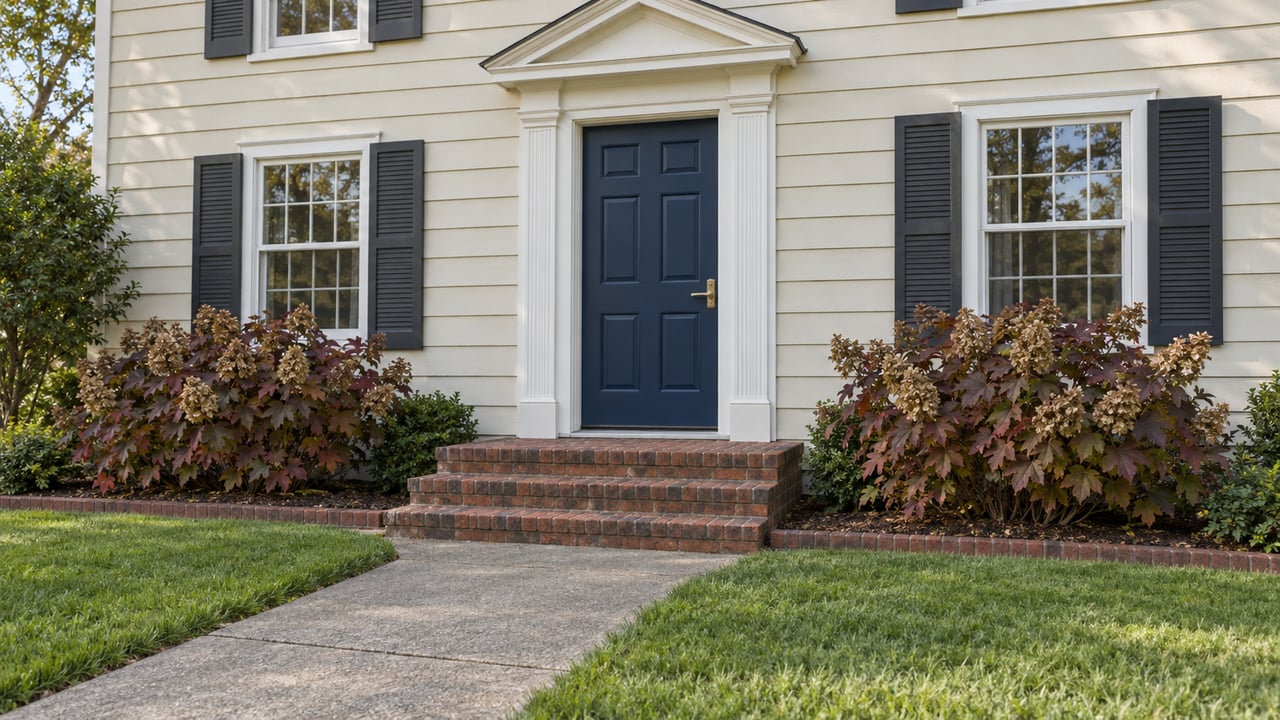
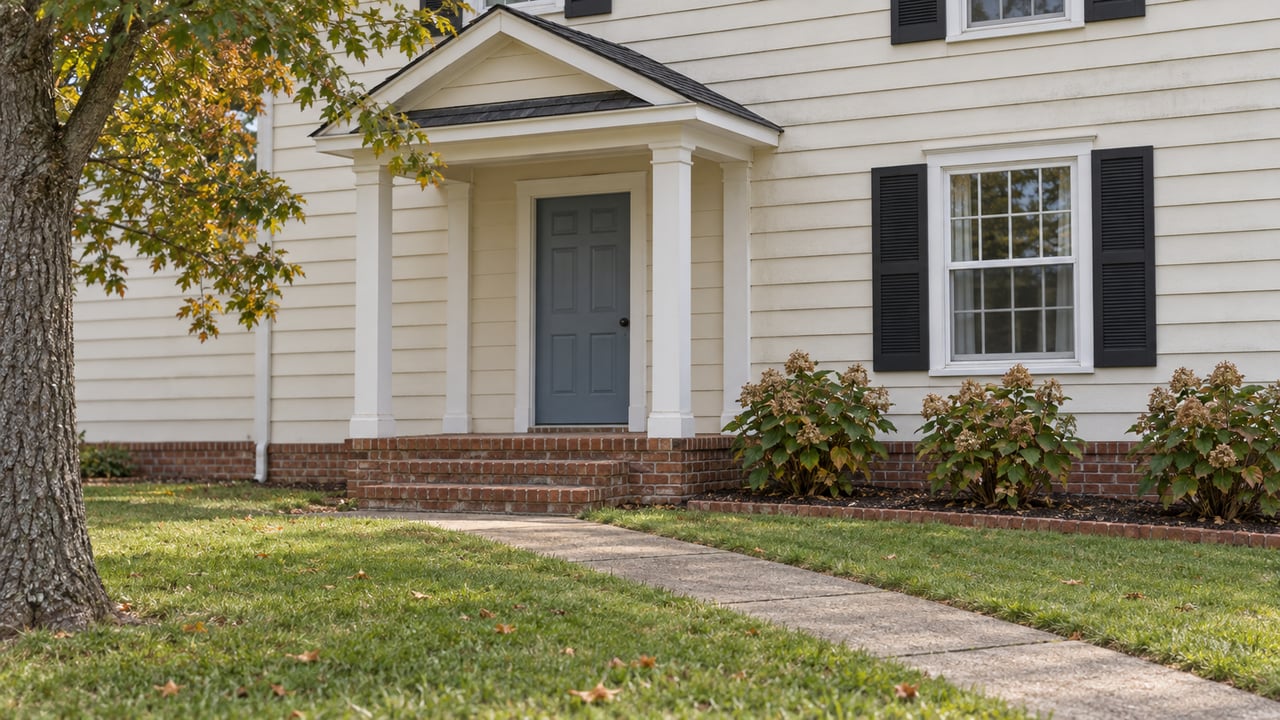
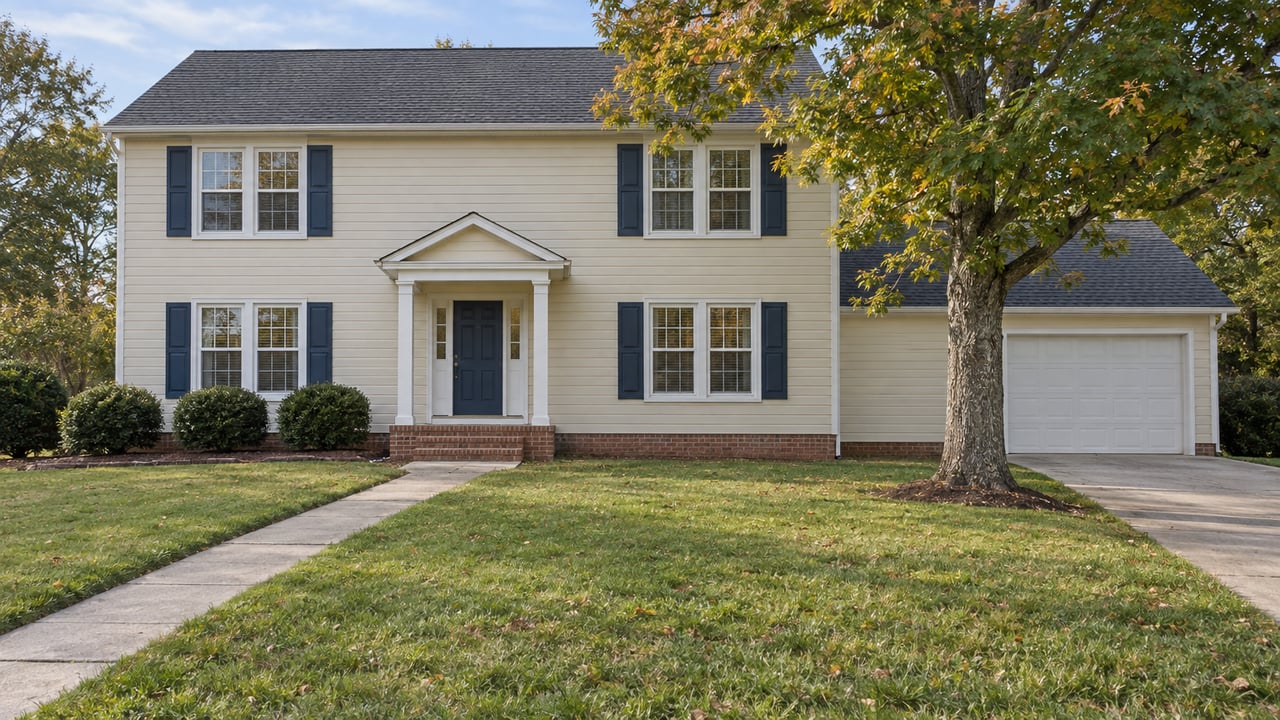
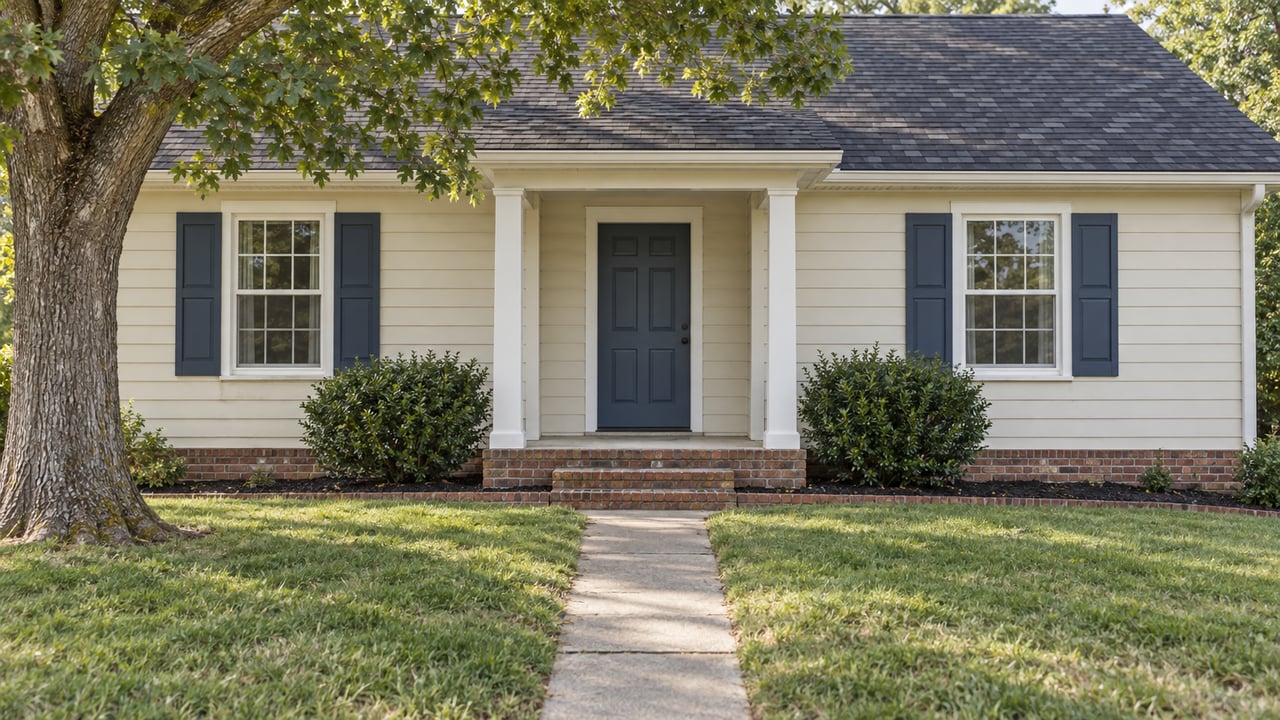
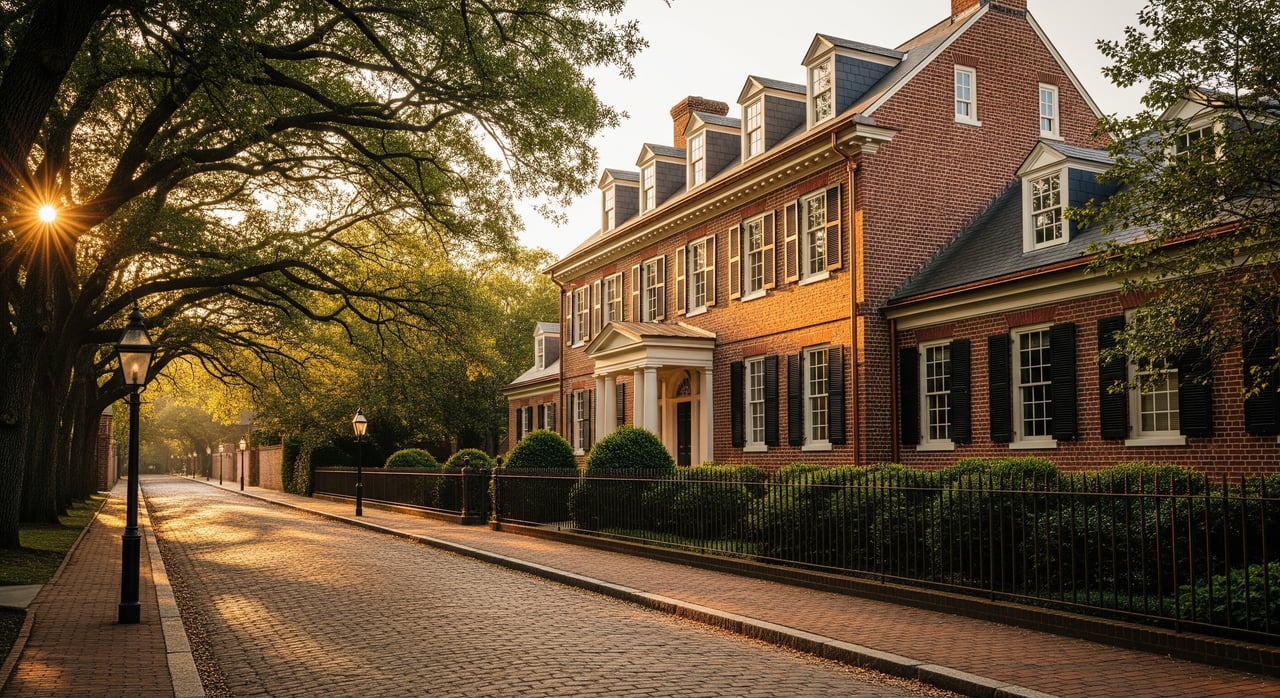
Inside the city limits, you’ll find a genuine mix of homes. Near the historic area, expect smaller lots, brick or clapboard facades, and some properties in designated historic districts. In established neighborhoods, you’ll see mid‑20th‑century single‑family homes, townhomes, and a range of condos. Because the city is small, large new tracts are rare, but you will find newer infill and small subdivisions.
Student housing shapes part of the market. Proximity to the college means many rentals and some larger homes with multiple bedrooms. If you want to understand the campus influence on the city’s rhythms and housing demand, visit William & Mary to get a feel for the school calendar, events, and public programming.
Historic preservation and what it means for you
If you’re eyeing a home near the Colonial core or in a designated district, plan for historic design review on exterior changes. That can affect materials, timelines, and budgets for projects like windows, fences, additions, or paint colors. Before you buy or renovate, connect with city staff and review the process on the City of Williamsburg site to understand requirements and approvals.
Short‑term rentals also follow local rules. If you’re considering a vacation rental strategy, check current ordinances with the city’s Planning department so your plans match what’s allowed.
Cost and property taxes
Your annual real estate taxes depend on your home’s assessed value and the city’s tax rate. The City Treasurer’s office publishes the current rate each year. To estimate, use this simple formula: annual tax = assessed value × tax rate ÷ 1,000.
For the latest rate, billing dates, and payment options, go to the Treasurer’s page through the City of Williamsburg website. If you’re comparing the city to nearby counties, keep in mind that rates, services, and HOA fees can differ, which impacts your total cost of living.
Daily life: walkability, driving, and transit
If you love a walkable routine, you’ll appreciate the historic core. You can stroll to coffee, restaurants, museums, and campus from many in‑town addresses. Outside the core, the city is still compact, so most errands are a short drive.
Driving is straightforward, with Route 199 looping around town and I‑64 just outside the city for trips to Newport News, Hampton, Norfolk, or Richmond. Traffic is typically moderate, though you’ll notice heavier periods during college move‑ins, graduation, and peak visitor seasons.
For public transit, the Williamsburg Area Transit Authority provides local bus routes that connect key destinations. You can review routes and schedules at WATA. Biking is an option in parts of the city, though comfort varies by street. If you’re planning to commute without a car, map your daily paths and confirm route hours and frequency.
Food, shops, and things to do
You’ll have a mix of independent cafés, casual eateries, and destination restaurants that serve both locals and visitors. The dining scene blends classic tavern experiences with modern menus, and seasonal events add even more variety. For cultural programming, Colonial Williamsburg’s living‑history exhibits and special events are a year‑round draw. Explore current exhibits, concerts, and seasonal celebrations through Colonial Williamsburg.
William & Mary adds lectures, performances, galleries, and athletics that are often open to the public. If you enjoy keeping a full calendar, check campus highlights at William & Mary. You’ll also find farmers markets and holiday programming on city and partner calendars throughout the year.
Grocery shopping is straightforward, with several supermarkets and specialty shops in and near the city. Some residents choose larger stores in adjacent counties for broader selections or savings, but most daily needs are close by.
Parks, trails, and outdoor life
Parks are woven into the city, from neighborhood greens to multiuse paths. You’ll find places to walk, jog, and enjoy community events without leaving town. The James River, marinas, and additional trails are accessible in the surrounding region, with many options in James City County and York County.
For park facilities, program guides, and field reservations, start with the city’s Parks & Recreation resources on the City of Williamsburg site. If you’re an avid golfer, boater, or cyclist, you’ll discover even more choices as you explore nearby county amenities.
Healthcare and everyday services
Day‑to‑day healthcare is covered by local clinics and an area hospital. Sentara Williamsburg Regional Medical Center serves the region with general and specialty services. For a closer look at services and locations, visit Sentara. For specialized care, you may drive to larger medical centers in Newport News or Hampton.
Everyday services like banking, postal, auto repair, and professional offices are easy to reach within the city or just beyond. Because the footprint is small, planning errands is simple, even if you combine stops on either side of town.
Commuting and regional connections
If you work in the city, your commute is short and predictable. If you commute to nearby hubs, I‑64 connects you to Newport News and Hampton to the east and Richmond to the west. Commute times depend on your exact route and peak hours, but they’re typically shorter than those in larger metros.
For air travel, residents use regional airports in Newport News, Norfolk, or Richmond. Depending on time of day and traffic, expect a drive of roughly 30 to 90 minutes to reach your chosen airport. If travel is frequent for you, consider your closest on‑ramp to I‑64 when choosing a home.
Schools and lifelong learning
Public schools that serve city addresses are part of the Williamsburg‑James City County Public Schools system. School assignments are tied to your property address and can change as boundaries update. Before you buy or sign a lease, confirm current assignments and review district resources at WJCC Schools.
Higher education is a major part of city life. William & Mary anchors the academic and cultural scene, and many community events are open to the public. If you like lectures, performances, and collegiate sports, you’ll appreciate the access that comes with living near campus. See what’s on the horizon at William & Mary.
Flooding, drainage, and resiliency
Williamsburg sits on the coastal plain, and some areas can experience localized flooding or tidal impacts during heavy storms. If you’re evaluating a specific property, check FEMA Flood Insurance Rate Maps to understand flood zones and consider elevation, drainage, and insurance needs in your decision.
To review maps for a property address, use the FEMA Map Service Center at the FEMA Flood Map portal. The city and region also continue long‑term resiliency planning, so it’s smart to ask about recent stormwater improvements or neighborhood mitigation projects during your due diligence.
Who tends to love city‑limits living
If you want a historic small‑city setting with strong cultural resources, Williamsburg will likely speak to you. You’ll meet educators and students, healthcare professionals, hospitality and tourism staff, public‑sector employees, and small‑business owners. Many residents value being able to walk to dinner, browse museums on a Saturday, and be on the interstate minutes later for regional trips.
If you prefer very large lots or newer master‑planned neighborhoods, you might find more options just beyond the city limits in James City or York County. If you like character homes, tree‑lined streets, and a lively downtown, staying inside the city can be a great fit.
Buying or renting inside city limits: quick tips
- Confirm historic district status before you renovate. Review guidelines with the city via the City of Williamsburg site.
- If you plan to rent short‑term, verify current rules and permitting with the Planning department.
- Time your search around the college calendar if you want to live near campus; demand can shift with student move‑in and graduation.
- Check school assignments with WJCC Schools for your exact address.
- Review flood maps at the FEMA Flood Map portal during due diligence.
- For transit‑friendly living, confirm WATA routes and frequency at WATA before committing to a car‑lite lifestyle.
Final thoughts
Living in the City of Williamsburg feels personal and connected. You get history on your doorstep, a steady calendar of cultural events, and short trips to almost everything you need. With a compact footprint, a walkable core, and regional access via I‑64, it’s easy to build a routine that fits your lifestyle.
If you’re thinking about buying or selling in the city, I’m here to help you compare neighborhoods, understand historic guidelines, and move fast when the right home hits the market. When it’s time for your next step, connect with Angie Archibald and let’s make your big move.
FAQs
Is Williamsburg, VA safe for everyday living?
- The city publishes police statistics and crime maps that help you compare trends to state and national rates. Review current data and pay attention to seasonal changes in foot traffic during peak visitor times.
How walkable is the City of Williamsburg?
- The historic core and areas near William & Mary are very walkable for daily errands and dining. Beyond the core, a car is more convenient, though WATA bus service offers options for select routes.
What are property taxes like inside city limits?
- The City Treasurer sets the real estate tax rate annually. Estimate your bill using annual tax = assessed value × tax rate ÷ 1,000, and verify the current rate on the city’s website.
How do public schools work for city addresses?
- Public schools are part of the WJCC system, and assignments depend on your address. Always confirm current boundaries and program details directly with WJCC Schools before you buy or lease.
Do historic rules limit home renovations?
- Yes, homes in designated historic districts may require design review for exterior changes. Contact city staff and review guidelines through the City of Williamsburg site before planning projects.
What is the commute like, and are there airports nearby?
- Most in‑city commutes are short. I‑64 connects you to regional job centers, and residents typically use airports in Newport News, Norfolk, or Richmond depending on route and flight options.
Is there strong resale demand inside the city?
- Limited land, a desirable location, and steady demand from professionals and students support long‑term appeal. For specifics on inventory and days on market, review recent local MLS data during your home search.