Picture waking up in a low‑maintenance home, joining a morning fitness class right in your neighborhood, then meeting friends for coffee before an afternoon lecture at William & Mary. If that sounds like your kind of retirement, you’re in the right place. Greater Williamsburg, especially James City County, offers a range of 55+ options that blend convenience, connection, and culture. In this guide, you’ll learn how the local lifestyle works, what types of communities to consider, what costs to expect, and a simple checklist to use on tours. Let’s dive in.
Why Greater Williamsburg works for 55+
James City County has a strong older‑adult community. According to U.S. Census QuickFacts, about 28% of residents are 65 or older, well above the state average. That concentration supports a deep bench of services and amenities for active adults and downsizers. You’ll find learning, recreation, and support systems built with you in mind.
Culturally, the Historic Triangle keeps life interesting year‑round, and the Osher Lifelong Learning Institute at William & Mary offers non‑credit courses for adults 50+ who love to learn and meet new people. Explore upcoming offerings through the Osher Lifelong Learning Institute at William & Mary.
When it comes to health care, you have local access to major providers. The area is served by Sentara Williamsburg Regional Medical Center and Riverside Doctors' Hospital Williamsburg, which highlight services important to older adults. Regional supports like the Peninsula Agency on Aging can also help with rides, meals, and care coordination if you ever need a little extra help.
What 55+ living means here
Active‑adult 55+ communities
These neighborhoods are designed for adults 55 and over, typically with a homeowners association that covers common area care and often exterior maintenance. You’ll see clubhouses, fitness centers, indoor and outdoor pools, walking trails, and a full social calendar. Many homes emphasize single‑level living and low‑maintenance features so you can spend more time doing what you enjoy.
Age‑restricted communities follow the federal Housing for Older Persons Act, which requires at least 80% of occupied units to have one resident age 55 or older and clear age‑verification policies. You can read more about the HOPA 80% rule in this Congress report on HOPA.
Local example: Colonial Heritage is a gated 55+ community known for its large clubhouse, lifestyle programming, fitness and pool facilities, and on‑site golf. Home styles range from attached villas to single‑family designs with main‑level living.
Life‑plan or continuing‑care communities (CCRCs)
If you like the idea of staying on one campus as care needs change, a CCRC can be a smart path. These communities combine independent living with on‑site assisted living, memory support, and skilled nursing. Contracts vary and are usually described as Type A (life care), Type B (modified), or Type C (fee‑for‑service), each with different tradeoffs between upfront costs and future care coverage. For a helpful primer on contract types, review this Milliman introduction to CCRCs.
Local example: WindsorMeade offers independent living with on‑campus assisted living and skilled nursing. It’s a good fit if you want a built‑in care continuum.
Age‑friendly neighborhoods in larger communities
Some popular Williamsburg‑area developments attract many retirees because of amenities, clubs, and golf, even if they’re not legally age‑restricted. Neighborhoods like Kingsmill, Ford’s Colony, Quarterpath at Tutter’s Pond, or the New Town area often offer low‑maintenance living, convenient locations, and social activities. Always confirm whether a given section is age‑restricted or simply age‑friendly, since rules, fees, and services differ.
Homes and amenities to expect
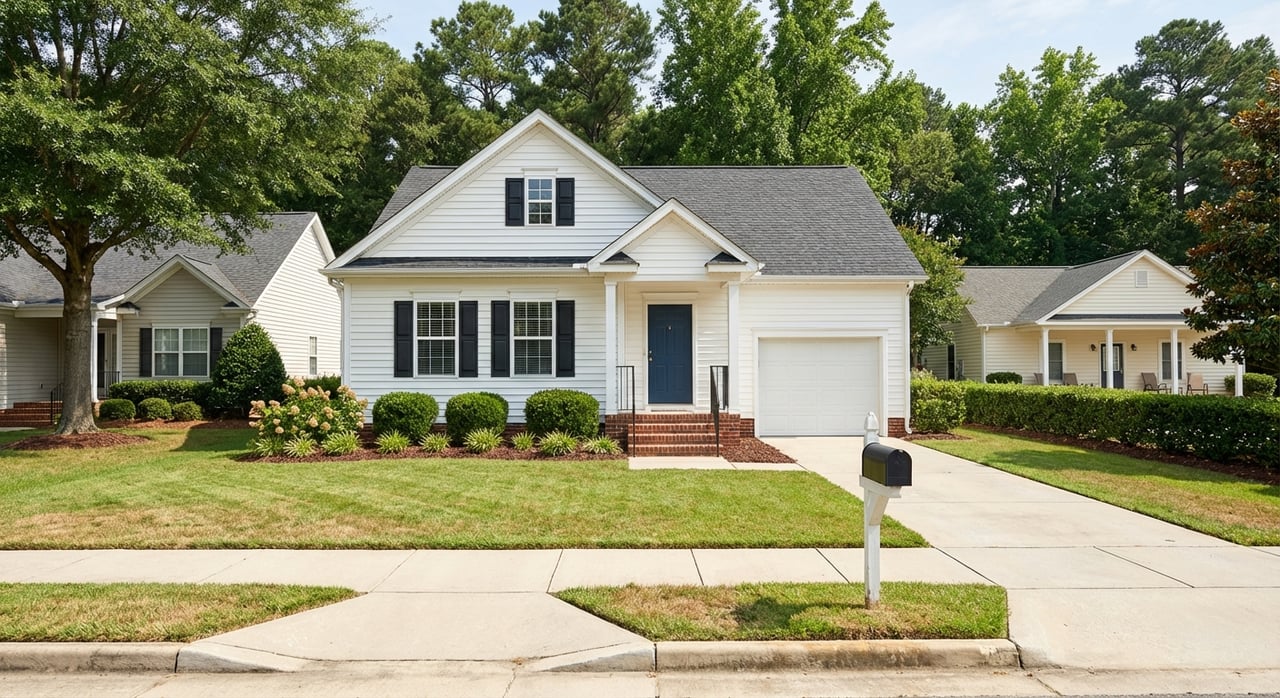
In 55+ and age‑friendly settings, you’ll commonly find single‑level ranches, villas, and attached homes designed for easy living. Expect main‑level primary suites, open kitchen and living areas, walk‑in showers, and attached garages. Many builders include features that simplify aging in place, and most homes are easy to retrofit with items like grab bars or lever handles if you want more peace of mind.
Amenities are a major draw. Larger active‑adult communities often feature a staffed clubhouse, interest‑based clubs, arts and crafts rooms, and group outings. Fitness centers and indoor/outdoor pools are common, making it easier to build an exercise routine and connect with neighbors.
“Low‑maintenance” usually means the HOA handles common area landscaping and may also cover exterior maintenance, trash, and some road care. What’s included varies by community, so ask for a written breakdown of services and fees.
Costs, fees, and local tax relief
Plan for at least two categories of recurring costs in many 55+ neighborhoods:
- HOA dues that cover common areas and often some exterior maintenance, landscaping, and trash services. Always confirm what is included and how often dues adjust.
- Optional club or golf memberships, when a community offers golf or separate club facilities. Membership tiers and pricing are typically published by each club. In golf‑centric neighborhoods, you can usually choose whether to join.
If you’re comparing active‑adult HOAs to a life‑plan community, remember that CCRCs often require an entrance fee plus a monthly fee. In exchange, you gain priority access to higher levels of care. Review sample contracts and understand whether you’re considering a Type A, B, or C agreement. The Milliman overview of CCRC contracts is a good guide to the tradeoffs.
James City County also offers the Elderly & Disabled Real Estate Exemption program, which may reduce your property tax bill if you qualify by age or disability, income, and net worth (with the home and up to 10 acres excluded). The application window typically runs January 1 through June 1 each year. Check current thresholds and instructions on the county’s Elderly & Disabled Real Estate Exemptions page.
Your due‑diligence checklist
Use this quick list to focus your tours and questions:
- Confirm community type and age rules. Is it legally 55+ under HOPA or simply age‑friendly? Ask for the written age‑policy and when the last occupancy survey was completed. Learn about the 80% rule in the HOPA summary.
- Get a fee breakdown. Request current HOA dues, what they cover, billing frequency, reserve studies or financials, and any recent or upcoming special assessments.
- Clarify club or golf costs. Are memberships optional or required? What are initiation and monthly dues if you join?
- Review CCRC contracts carefully. Ask for sample contracts, refund policies on entrance fees, and what care levels are included. Consider a legal and financial review with the help of the CCRC contract guide.
- Check services and safety. Look at on‑site transportation, security, emergency call systems, and wellness programming. Visit during an event or mealtime to see the community in action.
- Assess accessibility. Look for main‑level suites, minimal steps, and easy ways to add grab bars or ramps later.
- Understand resale and rentals. Ask about resale procedures, any waiting lists, and whether rentals are permitted. This matters for estate planning and future flexibility.
- Talk to residents and staff. Request a community calendar and, if possible, recent HOA or resident meeting minutes to understand culture and current topics.
Local examples at a glance
- Colonial Heritage. A gated 55+ active‑adult community with a large clubhouse, fitness and pool amenities, and golf, offering villas and single‑family options focused on main‑level living. Learn more about the lifestyle and home types in Colonial Heritage.
- WindsorMeade. A life‑plan community offering independent living with on‑site assisted living and skilled nursing, ideal if you want a built‑in continuum of care. Explore WindsorMeade for an overview of services.
Getting started
If you’re early in the process, begin by listing your must‑haves and nice‑to‑haves. Tour at least one active‑adult HOA community and one CCRC so you can compare services, fees, and the weekly rhythm of life. Then narrow your choices using the checklist above, and talk with residents to get a candid feel for day‑to‑day living.
When you’re ready to explore homes, I can help you line up tours, break down HOA documents, and coordinate next steps. If you’re weighing new construction, resales, or a life‑plan option, we’ll map out the tradeoffs together so you feel confident. Reach out to Angie Archibald to start your search or get local guidance tailored to your goals.
FAQs
What’s the difference between 55+ and age‑friendly neighborhoods in James City County?
- 55+ communities follow HOPA rules with age‑verification and often include robust on‑site amenities and low‑maintenance living, while age‑friendly areas in larger communities attract many retirees but are open to all ages and may have different rules and fee structures.
How does the HOPA 80% rule affect who can live in a 55+ community?
- HOPA requires that at least 80% of occupied homes have one resident age 55 or older and that the community maintains published policies and age‑verification procedures, which helps preserve the community’s age‑restricted status.
What health care access will I have near Williamsburg 55+ communities?
- You’ll have local access to Sentara Williamsburg Regional Medical Center and Riverside Doctors' Hospital Williamsburg, plus outpatient clinics and rehabilitation services in the area.
What are the main CCRC contract types and how do they differ?
- Type A (life care) has higher entrance fees with more predictable future care costs, Type B (modified) offers a middle ground, and Type C (fee‑for‑service) usually has lower upfront costs but market‑rate pricing for higher levels of care; see the Milliman guide for details.
Can I get property tax relief as a senior homeowner in James City County?
- If you meet age or disability, income, and net worth criteria, you may qualify for the county’s Elderly & Disabled Real Estate Exemption; review requirements and deadlines on the county’s tax exemption page.