If you are thinking about buying in a master-planned community in James City County, it is easy to get pulled in by the pool, the trails, or the clubhouse first. That makes sense, because these neighborhoods often offer a polished lifestyle and a strong sense of structure. But the smartest way to compare them is to look at the full package: the home, the amenities, the HOA, and the long-term costs. Let’s dive in.
What defines a master-planned community?
In Greater Williamsburg and James City County, master-planned communities are usually built around a coordinated plan for homes, streets, common areas, and shared amenities. They often include HOA oversight, design standards, and neighborhood features meant to create a more predictable look and feel.
That broad category can cover a lot of ground locally. You will find golf and club communities, resort-style neighborhoods, 55+ communities, and planned developments with a more general residential focus.
Why these communities fit James City County
James City County has a strong planning focus on rural character, open space, and development that fits the area’s natural and historic setting. In the county’s 2019 citizen survey, 85.6% of respondents said proximity of residence, work, and play was important, 85.2% prioritized rural character, and 84.4% said the visual appearance of new development mattered.
That helps explain why many planned communities here emphasize landscaping, buffers, walkable streets, and preserved open space. County design guidance also notes that some areas lean toward larger lots and setbacks, while more compact neighborhoods may include townhouses and duplexes.
For you as a buyer, that means local master-planned communities are not just about amenities. They are also part of a bigger county pattern that values character, usability, and how a neighborhood fits into its surroundings.
What amenities are common locally?
A big reason buyers explore these communities is the amenity package. In James City County, common offerings can include golf, clubhouses, pools, tennis, pickleball, trails, ponds or water access, playgrounds, fitness spaces, and community events or activity calendars.
Local examples show how wide the range can be. Ford’s Colony advertises more than 60 clubs and activities, 10 miles of walking paths, golf courses, pools, tennis, pickleball, playgrounds, fishing ponds, and ballfields. Kingsmill lists gated access, walking and bicycle paths, three pools, nature trails, clubhouses, courts, playgrounds, and a 28-acre fishing and kayaking pond.
Other communities have a different mix. Colonial Heritage highlights golf, indoor and outdoor pools, a fitness center, pickleball, tennis, bocce, and a large clubhouse. Stonehouse at Mill Pond includes a pool, renovated clubhouse, tennis and pickleball courts, walking trails, a 3-mile paved path, garden plots, and RV and boat storage.
Private amenities are only part of the picture
It is also worth remembering that community amenities are not the whole lifestyle equation in James City County. The county offers a large public recreation network, including 17 parks, 1,711 acres of parkland, two recreation centers, and more than 3,000 programs each year.
That matters when you compare neighborhoods. If a community has fewer private amenities but a location that works well for your day-to-day routine, it may still be a strong fit.
Home styles and housing options vary
One of the biggest misconceptions about master-planned communities is that they all offer the same kind of housing. In this market, that is simply not true.
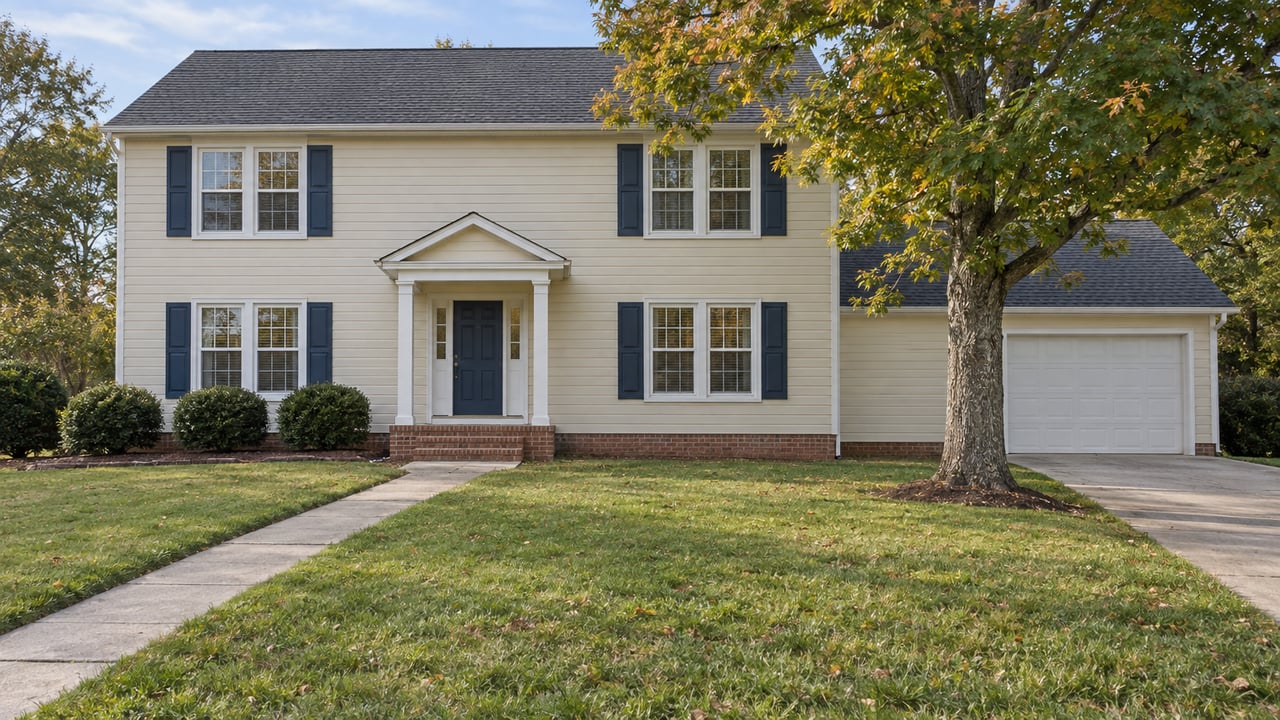
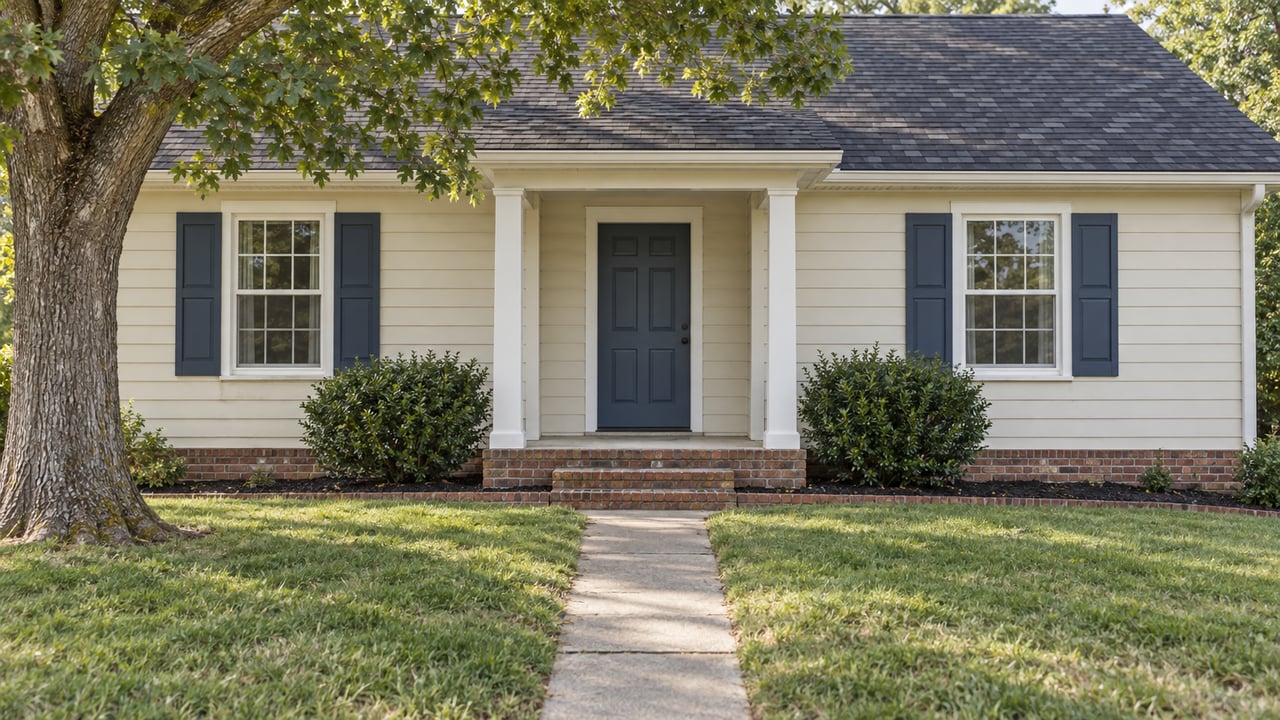
Ford’s Colony says buyers can find condominiums, townhomes, Colonial cottages, and executive homes. Stonehouse at Mill Pond describes itself as a master-planned community with single-family homes, cottages, and villas, and notes that it includes 11 neighborhoods with different homesites and architectural styles.
Some communities are designed for a narrower audience. Colonial Heritage is a 55+ community, so its housing and amenity structure is geared toward that age-qualified format rather than a multigenerational setup.
HOA dues do not tell the whole story
This is one of the most important things to understand before you make an offer. In many James City County master-planned communities, HOA dues and club-related costs are not the same thing.
For example, Ford’s Colony says club membership is optional. Kingsmill says residents may become resort members while still using HOA amenities. Governor’s Land is a private member-owned country club community.
So when you compare costs, ask for a full breakdown. A lower HOA fee may not mean lower total ownership cost if golf, marina, dining, or other lifestyle features come with separate charges.
How Virginia HOA rules affect buyers
Virginia’s Property Owners’ Association Act gives lot owners in good standing important rights. These include access to books and records, voting rights on matters that require a membership vote, and the right to serve on the board if elected and otherwise eligible.
At the same time, HOA boards have meaningful authority. They can adopt rules for common areas and related responsibilities, impose late fees, and levy additional assessments when needed for maintenance, repairs, replacement of capital components, and similar association responsibilities.
For you, that means HOA review is not just a box to check. It is a real part of understanding how the community operates and what ownership will feel like over time.
Reserve studies matter more than many buyers realize
Virginia law requires reserve studies at least once every five years. The law also requires the annual budget or a budget summary to be made available before the fiscal year begins.
Why does that matter? Because amenities cost money to maintain. Pools, trails, clubhouses, roads, landscaping, and recreational facilities all need ongoing funding.
A community with visible amenities should be evaluated like any other operating budget. The key question is not just whether dues look low today. It is whether the budget and reserves appear realistic for the upkeep those amenities will require.
Architectural control can be a major factor
Some buyers love consistency in a neighborhood’s appearance. Others want more freedom to personalize a property. In master-planned communities, that difference matters.
Ford’s Colony’s purchaser handbook says its design intent is to blend traditional architectural styles associated with Colonial Virginia. It lists Colonial, Georgian, Classical Revival, Federal, and Greek Revival as appropriate styles, and says exterior materials, windows, roof pitch, chimney style, and colors are reviewed through an architectural process.
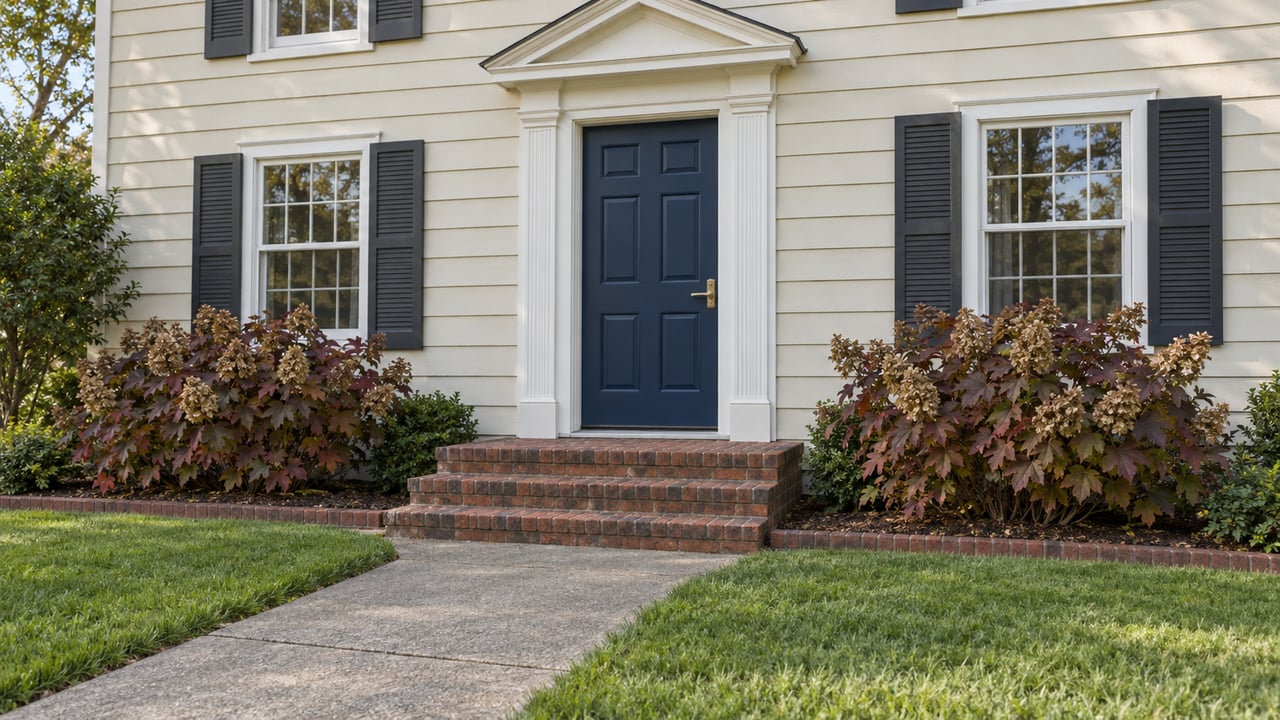
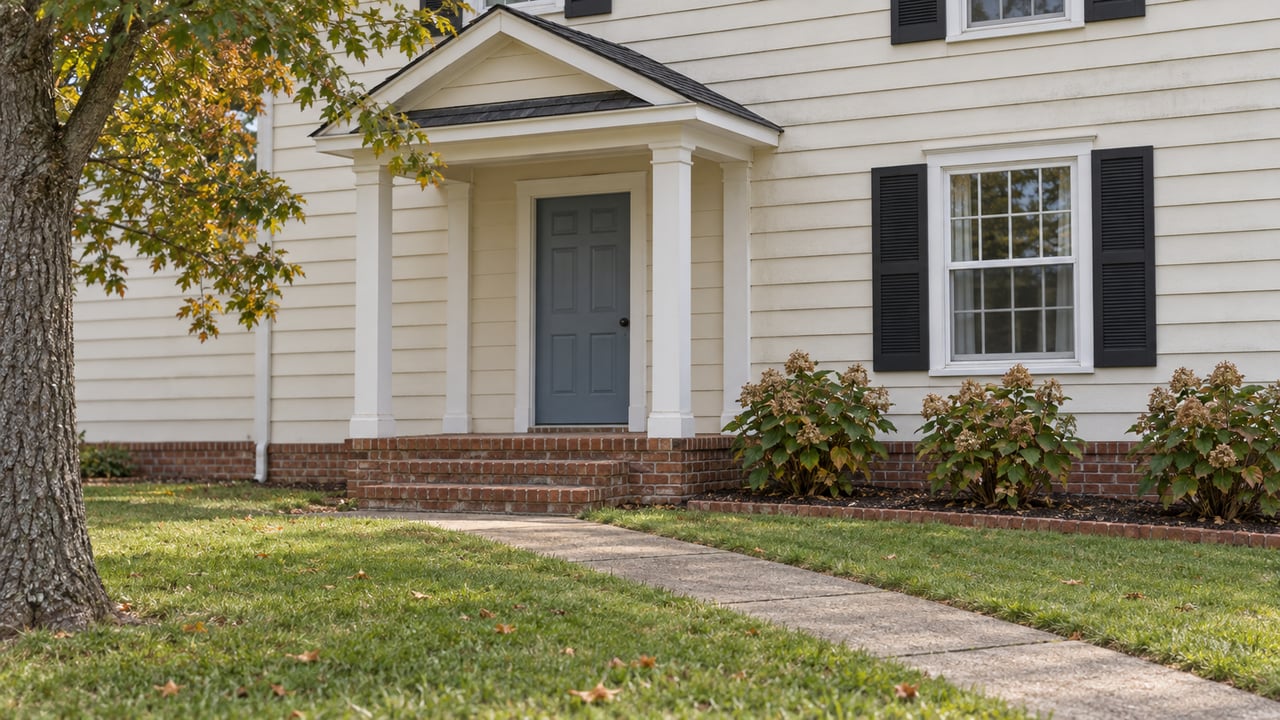
James City County’s own design guidance also emphasizes contextual development, landscaping, buffers, and character-sensitive design. So if you are considering a planned community here, expect appearance standards to be part of the ownership experience in many cases.
The resale packet is a must-read
In Virginia, the resale disclosure process is a major protection for buyers in planned communities. Under the Virginia Resale Disclosure Act, the seller or the seller’s agent must obtain the resale certificate and provide it to the purchaser.
The association generally has 14 days to deliver the certificate after a written request. The packet must include governing documents, rules, assessment amounts and schedules, and other fees due and payable.
This is one of the most important documents you will review before closing. It helps you move beyond marketing language and understand the actual rules, costs, and obligations tied to the property.
Questions to ask before buying
Before you commit to a master-planned community in James City County, ask clear and specific questions. A polished entrance or a beautiful clubhouse should never replace document review.
Here are some of the most useful questions to ask:
- What does the HOA fee cover?
- Which amenities are included, and which are billed separately?
- When was the last reserve study completed?
- Are any additional assessments planned or being discussed?
- What exterior, landscape, rental, sign, or use rules apply?
- What documents will I be able to review before closing?
- If the community has golf, marina, dining, or fitness options, are those optional or required?
Master-planned vs traditional neighborhoods
A master-planned community can offer a lot of appeal. You may get coordinated design, maintained common areas, more amenities, and a stronger activity calendar than you would find in a more traditional neighborhood.
The tradeoff is usually less flexibility. You may face tighter exterior review rules, more restrictions on changes, and a cost structure that includes monthly dues and possibly additional assessments.
Neither option is automatically better. It comes down to how you want to live, what level of structure feels comfortable, and which costs make sense for your household.
How to evaluate the right fit
The best way to think about these communities is as a bundle. You are not only buying a house. You are also buying into the amenity package, the HOA rules, the budget structure, and the overall neighborhood design.
If you love the idea of walkable streets, maintained common areas, planned amenities, and a more coordinated neighborhood feel, a master-planned community may be a great fit. If you value flexibility more than amenities, a traditional neighborhood may deserve a closer look.
Either way, a careful comparison up front can save you stress later. And in a market like Greater Williamsburg and James City County, that kind of clarity can make your move feel a lot more confident.
If you want help comparing communities, reviewing the full cost picture, or narrowing down the right fit in Greater Williamsburg, Angie Archibald is here to help you make your next move with clarity.
FAQs
What is a master-planned community in James City County?
- A master-planned community in James City County is a neighborhood built around a coordinated plan for homes, streets, common areas, amenities, and HOA oversight.
Are HOA fees in Williamsburg-area planned communities all-inclusive?
- Not always. In some local communities, HOA dues cover certain shared features, while golf, resort, marina, or club access may require separate membership or fees.
What should buyers review before closing on a home in a planned community?
- Buyers should carefully review the resale certificate and related documents, including governing documents, rules, assessment amounts, schedules, and other fees due and payable.
Do planned communities in James City County have strict exterior rules?
- Many do have architectural or exterior review standards, and some communities apply detailed design controls for changes to the home or lot.
Are master-planned communities a better value than traditional neighborhoods?
- Value depends on what matters most to you, including amenities, maintenance, rules, monthly costs, and how well the community fits your lifestyle.