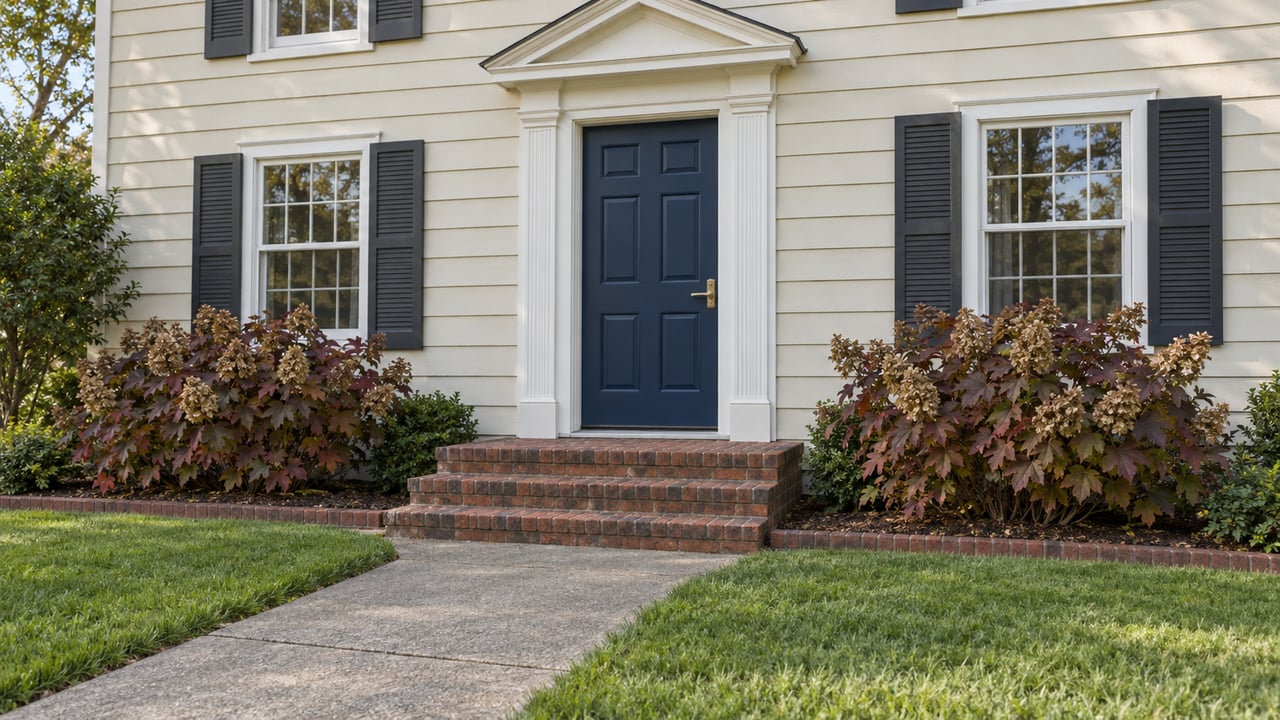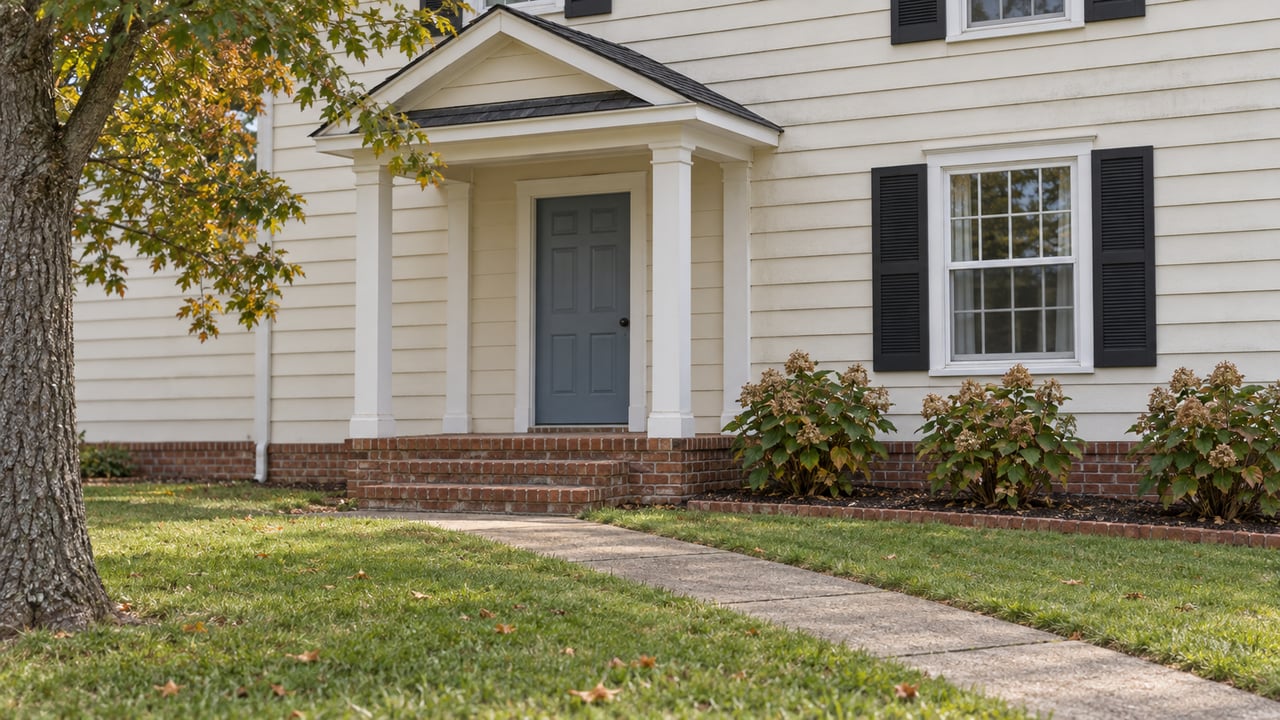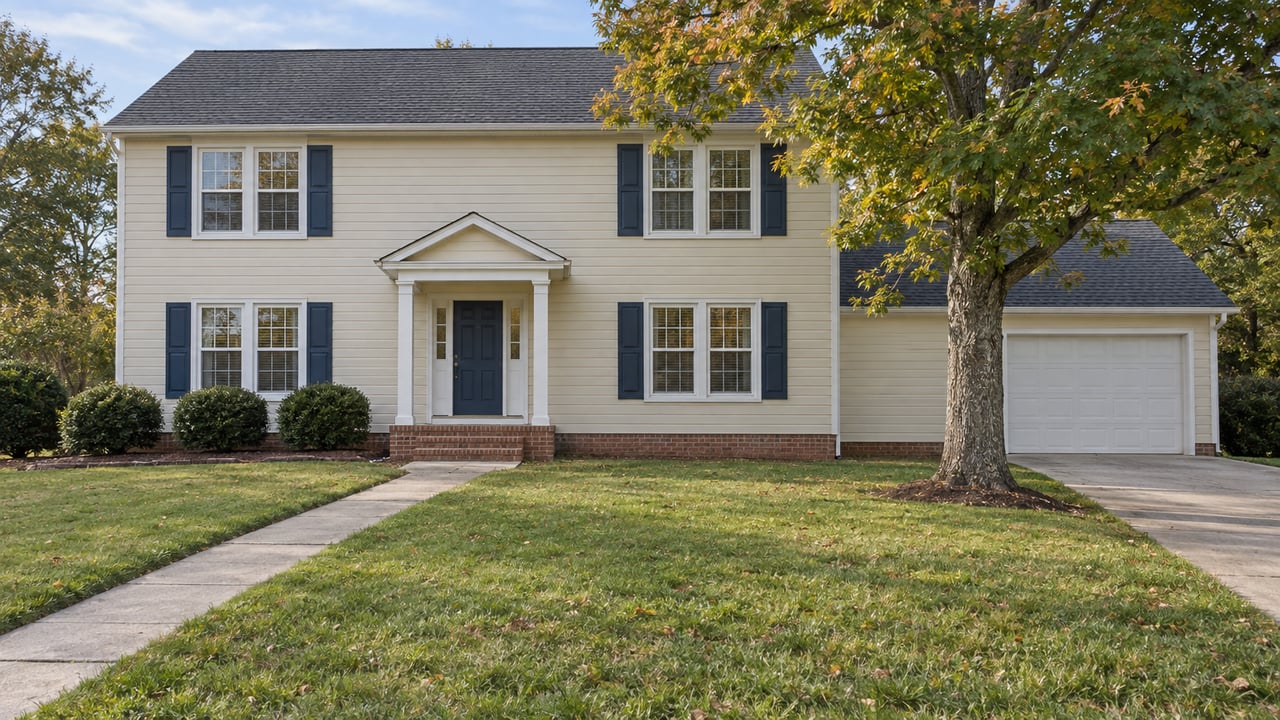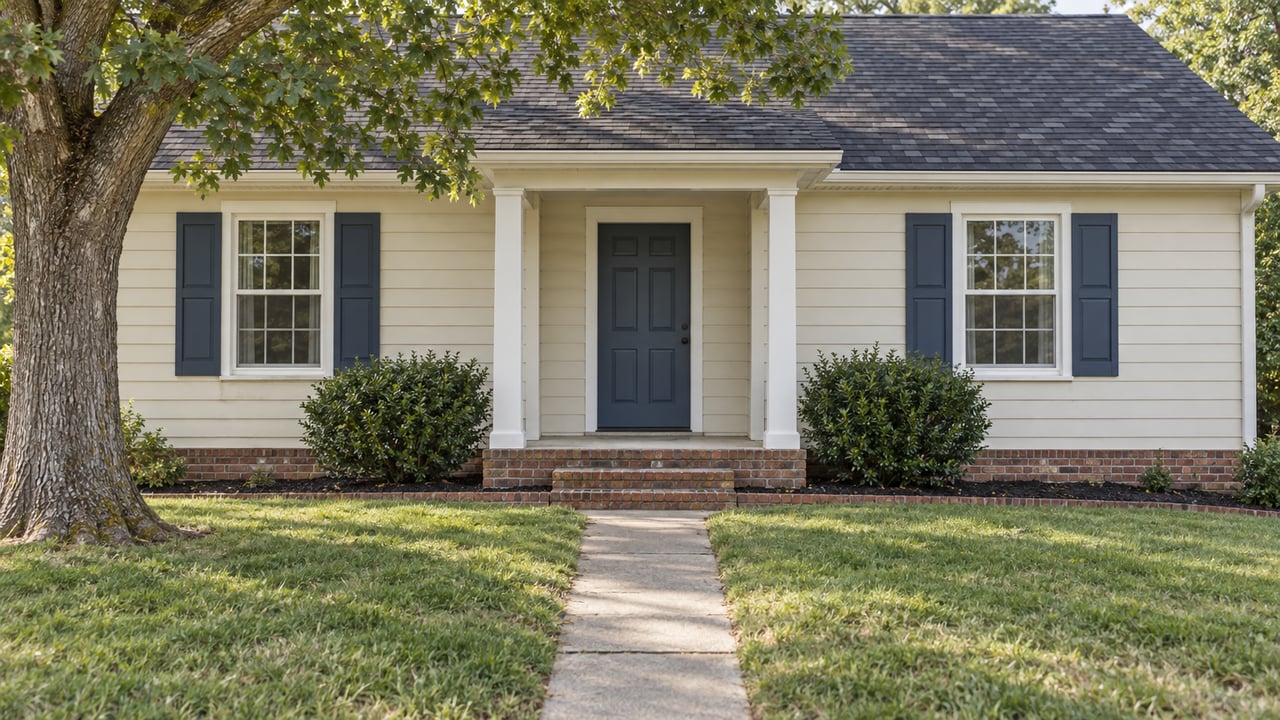

If you are selling in one of Greater Williamsburg’s golf or HOA communities, you are not just putting a house on the market. You are selling a home, a lot, a neighborhood setting, and a set of community rules and amenities that buyers need to understand. That can feel like a lot to organize, but when you plan ahead, you can make your sale smoother and your listing stronger. Let’s dive in.
Why these homes market differently
In golf and HOA communities, the community itself is part of the product. Buyer research from 2024 shows that people care strongly about neighborhood quality, walkability, trails, parks, nearby retail, and overall community design. That means your listing should help buyers picture daily life, not just count bedrooms and baths.
This matters in James City County because many buyers comparing homes in planned communities want context. They want to know how the home sits on the lot, what the outdoor spaces feel like, how close the property is to shared amenities, and what the dues support. A good marketing plan should make those answers easy to find.
Start with the resale certificate
One of the biggest parts of selling in an HOA or similar common interest community in Virginia is the resale certificate. Under Virginia’s Common Interest Community rules, the seller or seller’s agent must obtain this certificate from the association and provide it to the buyer.
This is not a small document. It can include governing documents, budgets, assessments, reserves, insurance, meeting minutes, pending actions, notices of violations, and restrictions involving parking, rentals, signs, or home-based businesses. In simple terms, the buyer is buying into both the home and the community structure.
Why timing matters
Virginia law says the association or managing agent must deliver the resale certificate within 14 days after a written request by the seller or seller’s agent. The seller is responsible for the preparation and delivery fees. If you wait until you already have strong buyer interest, this timeline can create avoidable stress.
There is also a buyer cancellation window tied to the certificate. If the contract does not set a different timeline, the buyer generally has three days to cancel after receiving it. If the certificate is not delivered at all, the buyer can cancel any time before settlement.
That is why early preparation matters so much. Getting the certificate process started early can help reduce surprises and keep your timeline on track.
Gather key HOA documents before listing
Before your home goes live, it helps to build a clean file of community information. Many of these items appear in the resale certificate, so reviewing them ahead of time gives you a chance to catch issues before a buyer does.
Here are the documents and details worth gathering early:
- Governing documents
- Rules and regulations
- Current dues information
- Assessment history
- Any special assessment notices
- Budget and reserve information
- Parking rules
- Rental restrictions
- Architectural or exterior-use guidelines
When you know what is in the file, you can answer buyer questions faster and with more confidence. That creates a better experience for everyone involved.
Fix exterior issues early
In many HOA and golf communities, curb appeal matters twice. It matters to buyers, and it can matter to the association too. If there has been written notice that an existing use, alteration, or improvement violates the governing documents, that issue can appear in the resale certificate.
That is why pre-listing prep should include a close look at visible exterior items. Unapproved changes, deferred maintenance, or unresolved compliance issues are much easier to deal with before your home hits the market than after you are under contract.
What to review before launch
Take a careful look at items such as:
- Exterior paint or finish condition
- Decks, fences, patios, and railings
- Landscaping that may affect visibility or maintenance
- Parking setup if the community has vehicle rules
- Any exterior improvements that may have required approval
This does not mean every home needs major work. It means you want to address obvious concerns early, so paperwork and property condition tell the same story.
Explain what the dues cover
Buyers almost always ask about HOA dues, especially in amenity-rich communities. Since associations collect mandatory assessments for maintenance and improvements to common elements, buyers want to know what they are paying for and how the community functions day to day.
The clearest approach is to be factual and specific. Explain what is shared, what is maintained, what is included in the fees, and what may require separate approval or reservation. That helps buyers understand value without confusion.
This is especially helpful in golf and lifestyle-oriented communities, where buyers may be comparing several neighborhoods at once. The easier you make it to understand the practical side of ownership, the stronger your listing becomes.
Market the home as a lifestyle package
Research shows that buyers still want floor plans, virtual tours, and in-person visits when a home fits their needs. For a golf or HOA community listing, that means your marketing should help buyers understand the home, the lot, and the surrounding setting before they ever walk through the front door.
A strong listing package often includes professional photography, a floor plan, and a virtual tour. Those tools are especially useful when the home’s appeal depends on more than just interior finishes. Buyers want to see how the home lives in the broader neighborhood context.
What to highlight in your marketing
The most effective listing details are usually the most practical ones. Focus on clear features that help buyers picture everyday life.
You might highlight:
- Views from the home or patio
- Outdoor living space and maintenance level
- The relationship between the home and nearby amenities
- Lot setting and privacy cues
- What the dues support
- Community design features such as trails, parks, or nearby conveniences if applicable to the property’s setting
This approach aligns with what buyers say they value most. It also helps your home stand out for the right reasons.
Use factual amenity language
When marketing any residential property in Virginia, ads should describe the property and its amenities rather than the type of buyer who should live there. Virginia DPOR advises that advertising should not express a preference based on a protected class, and that imagery should not signal exclusiveness.
For sellers, that means your listing copy should stay grounded in facts. Talk about the home’s features, the lot, the layout, community amenities, and the day-to-day ownership experience. Avoid language that suggests who belongs there.
This is not just about compliance. It is also good marketing. Clear, specific, factual language builds trust and helps buyers make informed decisions.
Know the sign rules in James City County
Sign rules can be a little more layered in HOA communities because county rules and association rules can both apply. In James City County, one temporary on-premises nonilluminated sign is allowed for each street frontage on a dwelling offered for sale or lease, up to six square feet.
For open houses, the county allows off-premises temporary signs under specific conditions. Those signs cannot exceed 3 square feet and 3 feet in height, may be placed only at qualifying intersections, are limited to no more than two at one intersection, must be displayed only while the home is open for public viewing with an on-site representative, and must be removed at close of business each day.
Virginia law also allows associations to prohibit signs in common areas and adopt reasonable rules about the number, location, attachment, and post-settlement removal of real estate signs. So even if a county rule allows a sign, your association may still shape how sign placement works inside the community.
Why this matters for showings
If your community has tighter sign or access rules, showing strategy should account for that from the start. Open house traffic flow, gate access, sign placement, and visitor wayfinding may need more planning than a typical neighborhood listing.
That is one more reason local market knowledge matters. A smooth showing experience can make a strong first impression.
Build a smoother sale from day one
Selling in a James City County golf or HOA community is often about preparation as much as presentation. When you gather documents early, review association rules, address visible issues, and market the full lifestyle of the property, you put yourself in a much better position.
The goal is simple. Help buyers understand exactly what they are buying, reduce avoidable surprises, and present your home in a way that matches how people actually shop for homes in these communities. If you want a marketing-first plan with candid guidance and local insight, Angie Archibald is ready to help.
FAQs
What is a resale certificate when selling a home in a Virginia HOA community?
- A resale certificate is the association document package the seller or seller’s agent must obtain and provide to the buyer, and it can include rules, budgets, assessments, reserves, insurance, minutes, and notices about violations or restrictions.
How long does an HOA have to provide a resale certificate in Virginia?
- Under Virginia law, the association or its managing agent must deliver the resale certificate within 14 days after a written request by the seller or seller’s agent.
Can a buyer cancel after receiving an HOA resale certificate in Virginia?
- Yes. If the contract does not set a different timeline, the buyer generally has three days to cancel after receiving the resale certificate, and if no certificate is delivered, the buyer can cancel any time before settlement.
What should sellers in James City County golf communities fix before listing?
- Sellers should review visible exterior condition, unresolved association violations, and any exterior changes or improvements that may not have received required approval.
What should a listing highlight in a James City County golf or HOA community?
- A strong listing should clearly show the home, the lot, outdoor living spaces, amenity proximity, community setting, and what the dues cover so buyers can understand the full ownership picture.
Are open house signs allowed in James City County, VA?
- Yes, but they must follow county size, height, placement, timing, and removal rules, and association rules may add more restrictions inside the community.