Wondering why a home payment that looks comfortable on paper can still feel tight in real life? In Williamsburg, the answer is often the everyday costs that show up after closing, from utilities and maintenance to trash disposal and HOA dues. If you want a clearer picture of what homeownership really costs here, this guide will help you build a smarter monthly budget before you buy. Let’s dive in.
Why Williamsburg costs vary
One of the biggest budgeting mistakes you can make in Williamsburg is assuming every home has the same utility setup. A Williamsburg mailing address may place a property in the City of Williamsburg, James City County, or York County, and that can affect what services you pay for and how those bills are structured.
That matters because your monthly carrying cost is shaped by more than your loan payment. Water billing, sewer charges, trash service, gas availability, and association dues can all vary by property. If you are comparing homes, it helps to look at the full picture, not just the listing price.
Start with utilities
Utilities are one of the most important recurring costs to budget for. In Williamsburg, the big categories are usually water, sewer, electricity, and sometimes natural gas, depending on the home’s systems.
The City of Williamsburg notes that it has its own water source and treatment plant. As of the 2025 billing change, water is billed monthly by the city, while HRSD separately bills sewer wastewater treatment charges beginning in August 2025.
Water and sewer charges
For customers inside city limits, water is billed at $6.89 per 1,000 gallons. For customers outside city limits, the rate is $8.27 per 1,000 gallons.
The current residential minimum water charge inside the city is $13.78 for 2,000 gallons or less. HRSD’s FY2026 wastewater charge is $9.03 per 100 cubic feet, with a minimum of $0.30 per day on metered accounts.
For a modest 2,000-gallon month inside the city, water and sewer together work out to about $38 before other fees. That is a useful baseline, but your actual bill can rise with household size, water use, and the property’s location.
Electricity and gas
The city lists Dominion Virginia Power as the electric provider and Virginia Natural Gas as the gas provider. That means some homes may have both an electric bill and a gas bill, while others may rely more heavily on electricity alone.
This is one reason two homes with similar prices can have different monthly costs. A larger home, older systems, or lower energy efficiency can push utility bills higher, so it is smart to treat utilities as a flexible monthly expense rather than a flat estimate.
Williamsburg climate affects costs
Williamsburg’s climate plays a bigger role in homeownership costs than many buyers expect. The city describes the area as having a moderate climate, with an average July maximum of 87°F and annual precipitation of 48.26 inches.
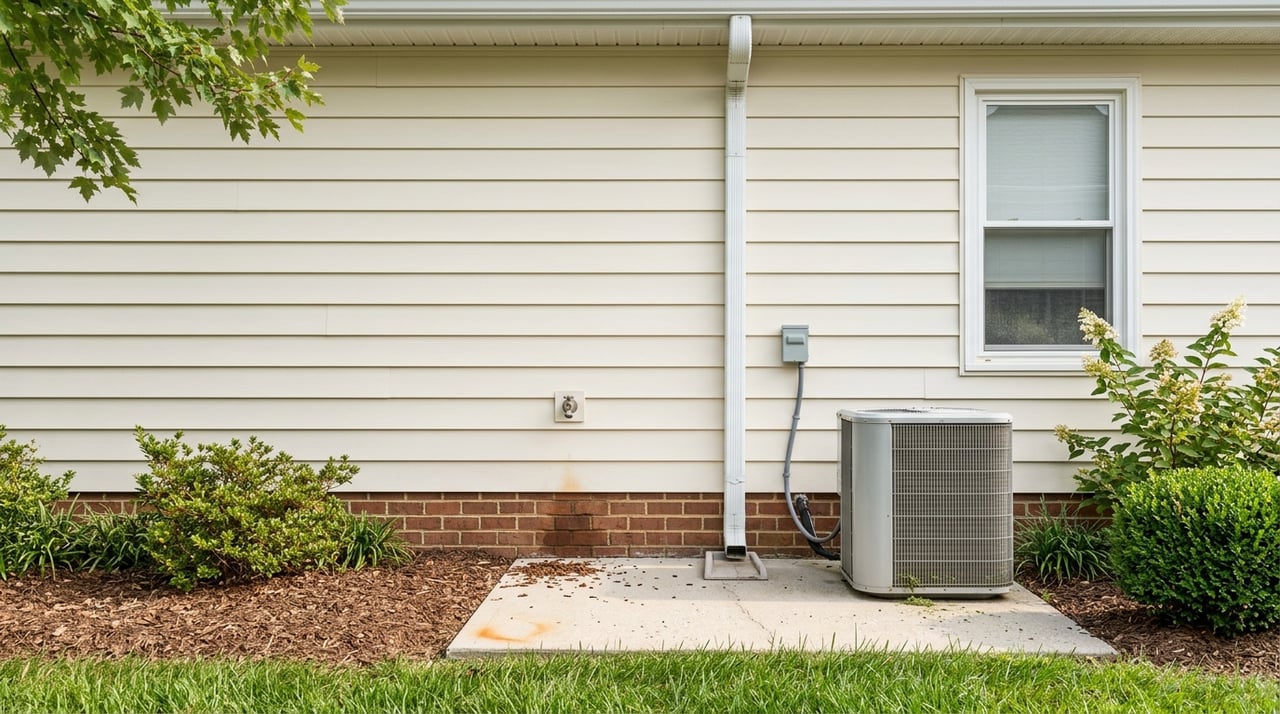
In practical terms, that usually means you should plan for summer cooling costs and moisture-related upkeep. Air conditioning use, gutter cleaning, roof checks, and exterior moisture control can be more important here than they would be in a cooler or drier market.
Do not overlook trash and disposal
Trash and recycling may seem minor compared with a mortgage, but they can still affect your budget and your move-in planning. In the city, Williamsburg provides garbage carts, curbside garbage collection, and curbside recycling collection.
Garbage pickup is scheduled for Monday or Tuesday, and recycling is collected every other week on Monday or Tuesday. That setup is convenient, but there are limits that matter when you are cleaning out a house, replacing furniture, or tackling small projects.
Bulk pickup limits
The city limits household bulk pickups to two large items per collection and three collections per year. If you are moving in and replacing old mattresses, broken patio furniture, or worn-out appliances, those limits can come up fast.
That does not mean disposal becomes difficult. It just means you may need to plan ahead instead of assuming everything can go to the curb at once.
Convenience center coupons
For items that do not fit the city’s bulk collection program, the Jolly Pond Convenience Center is available on a coupon basis. The city says coupon booklets cost $20 for 5 coupons.
This is one of those small but real homeowner costs that often gets missed in a budget. After move-in, landscaping cleanup, appliance swaps, and minor renovation debris can all create occasional disposal expenses.
Maintenance is a real monthly cost
A home does not need to be old to need regular care. Routine maintenance is one of the most predictable surprise expenses in homeownership because it is easy to underestimate until something needs attention.
A common rule of thumb from CFPB’s homebuying worksheet is to budget about 1% of the home price per year for maintenance. It also recommends keeping 3 to 6 months of expenses in emergency savings.
For example, a $400,000 home could suggest about $4,000 per year in upkeep as a planning number. That does not mean you will spend the same amount every month, but it can help you set aside money before repairs become urgent.
What maintenance often includes
Common home maintenance tasks can include:
- Replacing furnace filters
- Checking drains and plumbing leaks
- Testing smoke alarms
- Servicing the cooling system
- Cleaning gutters and downspouts
- Inspecting the roof
- Refreshing exterior caulk
- Checking exterior faucets
- Watching for termites or wood rot
- Cleaning a chimney or flue, if the home has one
In Williamsburg, several of these items deserve extra attention because of the local climate. Warm summers and regular rainfall make cooling-system service, gutter cleaning, roof inspection, and moisture control especially worth planning for.
HOA and condo dues are part of the payment
If a home is in a condo or HOA community, the dues are not optional. They are part of the true monthly cost of owning that property, even if they are not included in the mortgage payment.
The amount can vary widely by the specific community. That is why the best estimate comes from the property’s association documents rather than from a market-wide average.
If you are comparing a single-family home with no HOA to a condo or planned community property, make sure you are comparing total monthly cost, not just principal and interest. A lower mortgage payment can be offset by recurring dues.
A simple Williamsburg budget framework
Before you tour homes, it helps to build a realistic monthly number that reflects how homeownership works in this area. This can keep you from stretching into a price range that looks fine at first glance but feels less comfortable once the full bills start arriving.
A practical Williamsburg homeownership budget should include:
- Mortgage payment
- Water charges, if applicable
- HRSD sewer charges, if applicable
- Electricity
- Natural gas, if applicable
- Routine maintenance savings
- Occasional disposal or cleanup costs
- HOA or condo dues, if applicable
This approach is especially helpful if you are relocating to the area. A home with a Williamsburg address can still come with a different jurisdictional setup, so it pays to confirm the property’s actual location and utility structure early.
How to compare homes more confidently
When you are deciding between homes, ask questions that go beyond the monthly loan estimate. A slightly higher-priced home with newer systems or lower ongoing expenses may feel easier to carry than a cheaper home with more variable costs.
As you compare options, it can help to ask:
- Which jurisdiction is the property actually in?
- Is water billed by the city or handled differently?
- Will there be a separate HRSD sewer bill?
- Does the home use natural gas?
- Is trash service city-provided?
- Are there HOA or condo dues?
- What maintenance items may need attention soon?
Those details can give you a much more honest picture of affordability. They also help you avoid surprise expenses after closing.
The bottom line for Williamsburg buyers
The mortgage is only part of the story. In Williamsburg, everyday homeownership costs can shift based on jurisdiction, utility setup, climate-related maintenance, trash disposal needs, and association dues.
If you build those costs into your budget early, you can shop with more confidence and make decisions that fit your real life, not just a lender estimate. That kind of clarity makes your move feel a lot smoother from day one.
If you want help looking at Williamsburg homes through the lens of real monthly cost, Angie Archibald is here to help you make a smart move with local insight and clear, candid guidance.
FAQs
What everyday costs should Williamsburg homebuyers budget beyond the mortgage?
- In Williamsburg, you should budget for utilities such as water, sewer, electricity, and possibly natural gas, plus routine maintenance, disposal costs, and any HOA or condo dues.
Why do homeownership costs vary across Williamsburg properties?
- A Williamsburg mailing address may place a home in the City of Williamsburg, James City County, or York County, and that can affect utility billing, service setup, and other recurring ownership costs.
How much are Williamsburg water and sewer charges?
- Inside city limits, water is billed at $6.89 per 1,000 gallons, with a $13.78 minimum charge for 2,000 gallons or less, and HRSD wastewater charges are $9.03 per 100 cubic feet with a minimum of $0.30 per day on metered accounts.
Do Williamsburg homeowners need to budget for trash and bulk disposal?
- Yes. In-city homeowners have curbside garbage and recycling, but bulk pickups are limited, and some larger disposal needs may require Jolly Pond Convenience Center coupons that cost $20 for 5 coupons.
How much should Williamsburg homeowners set aside for maintenance?
- A common planning guideline is about 1% of the home price per year for maintenance, along with 3 to 6 months of expenses in emergency savings.
Are HOA dues included in a Williamsburg mortgage payment?
- Not usually. If a home is in an HOA or condo community, those dues are typically a separate recurring cost and should be included in your monthly budget.