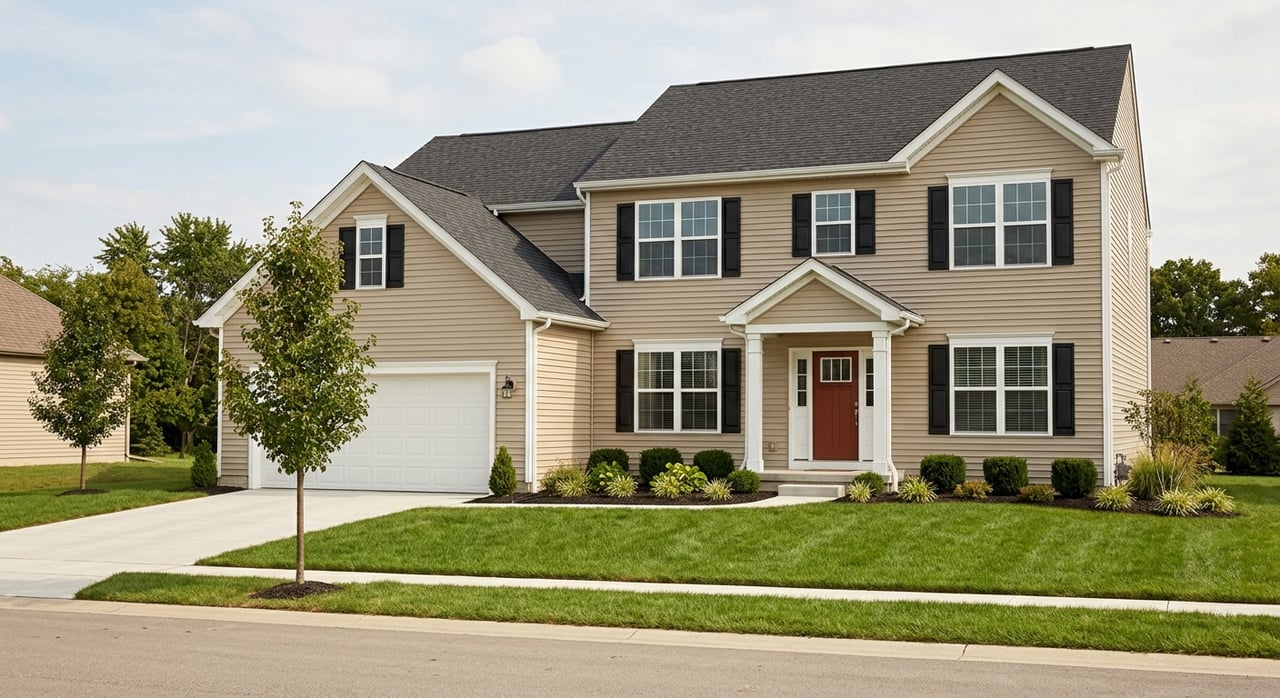
Thinking about buying brand-new in Greater Williamsburg? You have more choices than many buyers realize, but “new construction” in James City County can mean very different things depending on where you look. If you want a clearer picture of what’s being built, how communities differ, and what to ask before you tour, this guide will help you sort through your options with confidence. Let’s dive in.
What new construction looks like in James City County
In James City County, new residential growth is generally planned to stay concentrated in the Primary Service Area, often called the PSA. According to county planning documents, that is where public water, sewer, and other services already exist or are planned, and where most residential development is expected to occur.
In practical terms, that means a lot of new construction activity clusters around the Williamsburg area and along major corridors such as Richmond Road, John Tyler Highway, Ironbound Road, Greensprings Road, Jamestown Road, Centerville Road, Monticello Avenue, and Longhill Road. If you are searching for a new home, those broader areas are often where you will see the strongest mix of active communities, future phases, and smaller infill projects.
The county’s 2024 Planning Commission report also shows that the pipeline is still meaningful. Stonehouse, Colonial Heritage, Powhatan Secondary, and Ford’s Colony all remain part of the bigger build-out picture, along with a number of smaller phases.
That does not mean construction moves at the same pace every year. James City County authorized 358 new private housing units in 2024 after 597 in 2023, which points to an active market with yearly ups and downs rather than a perfectly steady flow of new inventory.
Three main new construction options
When buyers say they want “new construction,” they are often talking about very different products. In Greater Williamsburg, most buyers will run into three broad categories.
Production builder communities
Production builders usually offer the most standardized process. You typically choose from a set group of floor plans, elevations, and design options, while the builder controls the construction schedule and how much customization is available.
A local example is Lennar’s Fawncrest Estates, which offers single-family homes on one-acre wooded homesites, along with move-in-ready inventory and plans with options like finished basements or lofts. Listings there also highlight features like open-concept layouts and smart-home touches.
Ryan Homes at Stonehouse is another example on the more standardized side of the market. Stonehouse Ranch has been advertised from $389,990, while Stonehouse Singles has been positioned in the upper $300s, with pre-set plans and community amenities. For many buyers, this route can feel simpler because the choices are more structured.
Semi-custom and custom-like communities
Semi-custom options usually give you more room to personalize the home without going fully bespoke. You may see larger lots, more floor plan collections, and more decisions around layout and livability.
Kirbor Homes’ Mill Pond at Stonehouse is a good local example. The community offers multiple collections, floor plans from roughly 1,988 square feet and up, and options such as in-law suites, additional bedrooms, and no-stairs living. That creates a more tailored experience while still being part of a planned neighborhood.
Stonehouse as a broader area also stands out because it includes attached townhomes, detached single-family homes, and cottage-style homes within the master plan. That variety is one reason many buyers treat Stonehouse as a broader search area rather than thinking of it as one simple neighborhood choice.
Smaller infill and attached homes
Not every new-construction opportunity is a large subdivision with model homes lined up at the entrance. Some of the local market is made up of smaller attached-home projects or limited phases tucked into established corridors.
The Promenade at John Tyler is a helpful example. Built from 2017 to 2021, it includes 200 homes across 12 ten-plex buildings and 40 duet buildings, with homes ranging from just over 1,000 square feet to more than 2,300 square feet.
This kind of product often comes with a different ownership and maintenance setup than a detached home. At The Promenade, the monthly association fee is listed at $220 and covers common-area work, some exterior maintenance, landscaping, master insurance, and professional management.
It is also a reminder that utilities can differ from one community to another. The Promenade’s FAQ notes that its water system is privately owned by the community rather than run by James City County, so it is worth asking detailed questions anytime you are comparing attached homes with detached new builds.
What inventory may look like today
One of the biggest surprises for buyers is how mixed the inventory can be. In the same search, you may find move-in-ready homes, homes already under construction, and future phases that have not fully released yet.
That is why the better question is often not simply “Is it new?” but “How far along is it?” The stage of construction affects your timeline, your design choices, and how much flexibility you may still have.
If a home is already complete or close to completion, your choices may be limited, but your move could happen faster. If the phase is early, you may get more input on finishes or layout options, though you may also wait longer for completion.
Price ranges can vary widely
New construction in James City County is not one price point. The local examples in the research show a meaningful spread.
Ryan Homes’ Stonehouse Ranch has been advertised starting at $389,990, while Stonehouse Singles has been positioned in the upper $300s. Kirbor’s Mill Pond at Stonehouse has been listed from $589,900, and Lennar’s Fawncrest Estates has been positioned from the $800s.
That range matters because it shows how broad the market really is. You may be choosing between attached housing, amenity-rich communities, larger homesites, or homes with more flexible floor plans, all under the same “new construction” label.
How new homes compare with existing homes
James City County’s housing stock is still largely made up of detached single-family homes, though townhouses and condominiums are also part of the mix. County housing profile materials indicate that many homes were built between 1980 and 1999, with a large share built after 2000.
That means new construction is an important part of the market, but it is still only one slice of your overall options. If you are comparing brand-new homes with resale homes, the decision often comes down to tradeoffs rather than one clearly being better.
Many local new-construction communities emphasize features such as open-concept layouts, smart-home features, flexible spaces, in-law suite options, and lower-maintenance living in attached communities. Existing homes may offer different lot settings, mature landscaping, or more established surroundings, depending on the area.
Important questions to ask before touring
Before you fall in love with a model home, it helps to ask a few practical questions. In James City County, those details can shape your monthly costs, timeline, and long-term expectations.
Ask about permits and inspections
James City County requires permits for construction and many alterations. The county also allows permits and inspection scheduling through PermitLink, and permit applications typically require the property address, contractor information, owner information, and the scope of work.
For you as a buyer, the takeaway is simple: new construction is not just about finishes and floor plans. There is a formal local process behind the home, and it is reasonable to ask where the home stands in that process.
Ask how water and sewer service works
Utilities are a major part of buying new construction in James City County. County planning documents say that most development inside the PSA is connected to public water and sewer, and that new development must connect in certain situations, including major residential subdivisions or when accessible JCSA infrastructure is within 55 feet.
Outside the PSA, major subdivisions generally need a central well system and may use onsite sewage disposal. The county also notes that the developer is responsible for the cost of providing water and sewer service to the subdivision.
The James City Service Authority is the separate utility entity created by the county to provide water and wastewater service. For buyers, this matters because utility setup can affect lot choice, density, service availability, and in some cases your monthly bills.
Ask about stormwater responsibilities
Stormwater is part of the local development process too. James City County says virtually all new development includes stormwater BMP facilities, and that ongoing maintenance is typically the responsibility of the property owner or the HOA.
That may not be the first thing you ask on a tour, but it is worth understanding. In some communities, maintenance obligations are handled more collectively, while in others they may connect more directly to ownership or association responsibilities.
Verify school zoning directly
If school assignment matters to your search, verify it directly with the district before you rely on any marketing materials. James City County says the Williamsburg-James City County Public School Division is jointly operated by the city and county, and the county’s high-school zone map notes that it is not a legal survey and may not be current.
That does not mean builder information is wrong. It just means direct confirmation is the smart move before you make a decision based on a school boundary.
A smart way to narrow your search
If you feel overwhelmed by the options, start by sorting communities into a few simple buckets. That usually makes the search much easier.
Ask yourself:
- Do you want a detached home, attached home, or both?
- Do you want move-in-ready inventory or time to choose options?
- How important are HOA services and shared amenities?
- Do you want a larger homesite or a lower-maintenance setup?
- Are utility details, monthly fees, or future build-out important to you?
From there, you can compare communities more clearly instead of treating all new construction as the same thing. In James City County, it definitely is not.
If you want help cutting through the noise and comparing what is actually available in Greater Williamsburg, Angie Archibald can help you build a focused plan that fits your timeline, budget, and must-haves.
FAQs
What types of new construction homes are available in James City County?
- Buyers in James City County will usually find three main options: production builder communities, semi-custom or custom-like communities, and smaller infill or attached-home projects such as townhomes, condos, or duet-style homes.
Where is most new construction located in Greater Williamsburg?
- According to county planning documents, most residential growth is intended to stay in the Primary Service Area, with development commonly clustered around Williamsburg and along corridors like Richmond Road, John Tyler Highway, Jamestown Road, and Longhill Road.
How much do new construction homes cost in James City County?
- Local examples in the research range from the upper $300s at some Stonehouse communities to the $800s at Fawncrest Estates, with other options such as Mill Pond at Stonehouse starting from $589,900.
What should buyers ask before touring a new construction home in James City County?
- Ask about the stage of construction, available design choices, permit and inspection status, water and sewer service, HOA or maintenance responsibilities, stormwater obligations, and any community-specific fees.
Are all new construction homes in James City County connected to county utilities?
- No. Many developments inside the Primary Service Area connect to public water and sewer, but utility arrangements can vary by location and community, and some attached projects may have privately owned systems.
How does new construction compare with resale homes in James City County?
- New construction often highlights features like open layouts, smart-home options, flexible living spaces, and lower-maintenance ownership models, while resale homes may offer different lot settings, mature landscaping, and more established surroundings.